Earth Day, Every Day

Earth Day is a great reminder to take action to protect our planet. Many people may start by planting a tree or recycling. But a reminder that is set for once every year is not the most productive way to get things done. A better idea for Earth Day is to somewhat resemble New Years. Think of a goal you wish to accomplish in the upcoming year and stick with it. A goal that you can work on everyday will help you create a habit. Earth Day can inspire a new eco-friendly habit or a single lifestyle change.

The Educated Consumer believes that there is a new era among us of people who want to become more eco-friendly. According to Forbes, 77% of people want to learn how to live more sustainably. The Educated Consumer is here to help turn “I want” into “I am”. Starting a new habit can be the first step to a more sustainable lifestyle.

10 ideas for habits you can start

1. Skip meat at least one day a week
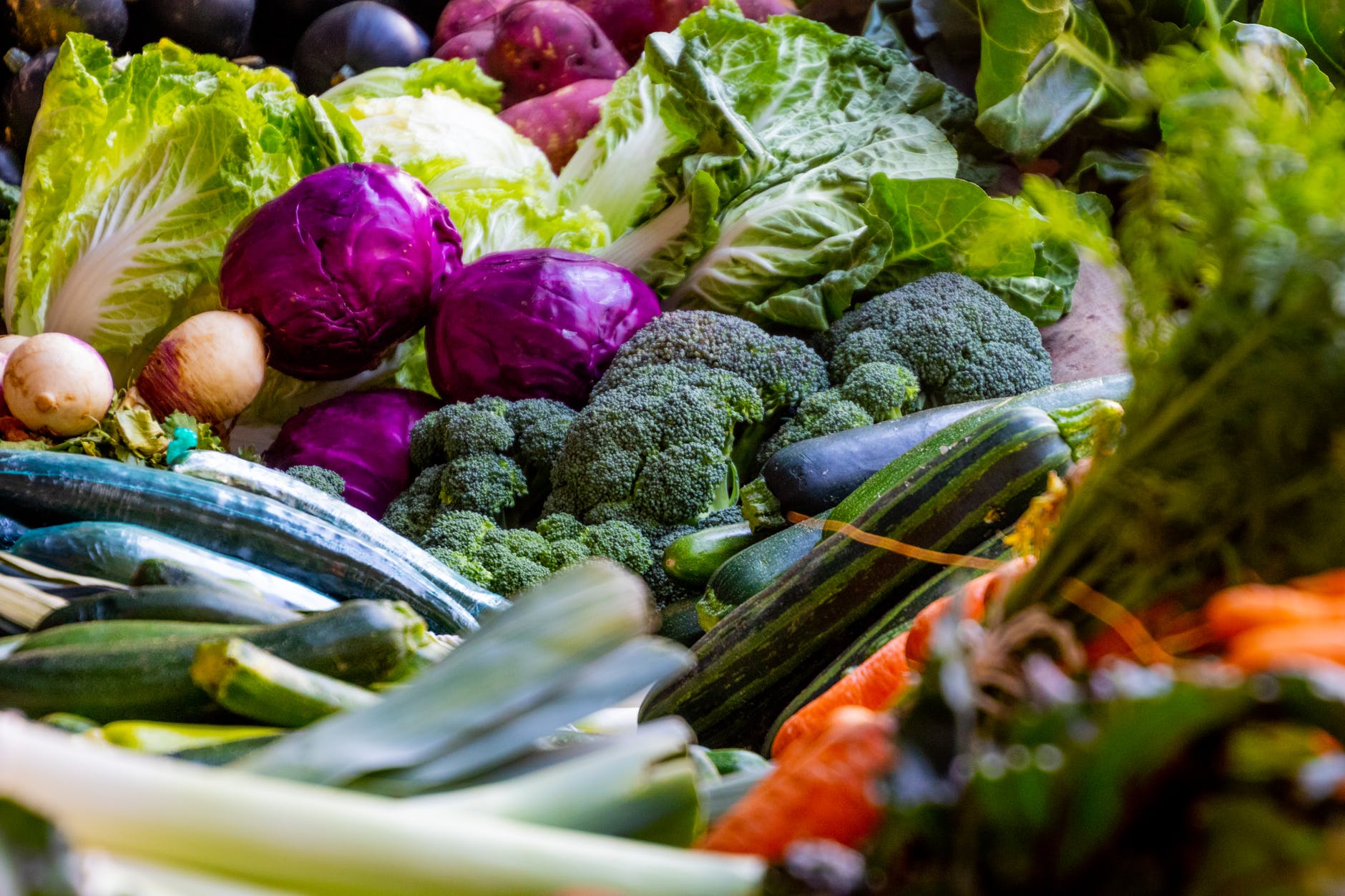
Photo by Magda Ehlers on Pexels.com

Raising meat takes much more energy than fruits and vegetables. Did you know it takes 1,847 gallons of water to produce a single pound of beef! But when you do buy meat, the best tip is to get it locally sourced. Skipping meat for just one day out of the week can help prevent heart disease and will increase natural nutrients, minerals, and fibre in your diet while reducing man-made, high-saturated, chemical-filled meat. It will take you on the path towards a healthier and more natural diet. The United Nations also found that more than half of the world’s crops are used to feed farmed animals, not people! That is a very unsustainable way to feed nearly 8 billion people and could instead be used to feed the 1 billion of whom go hungry. Eating crops directly is much more eco-friendly.

2. Buy locally sourced foods for your weekly meals

The consumer, grower, and the community are all benefited by a consumers choice to buy locally. Money spent on local farms is reinvested into your community. Also, when you buy locally you can ask about practices used to harvest crops. Imported foods have many more steps for transportation which blurs how and where food was made. You can use the Local Harvest Directory to find farmers selling directly to consumers near you. The National Sustainable Agriculture Coalition also has a National Guide to Finding Local Food where you can find specific state resources.

3. Use reusable grocery bags

Photo by cottonbro on Pexels.com

4. Invest in a reusable water bottle

Photo by mali maeder on Pexels.com

Not only are reusable water bottles better for the environment, but they may also be better for you. Plastic can contain harmful chemicals like BPA which can leach into water. Stainless steel and some BPA free reusable plastic water bottles will not contain BPA. A family of four who switch to reusable water bottles would save 27 gallons of oil a year and would be saving fossil fuels.

5. Buy reusable drinking straws
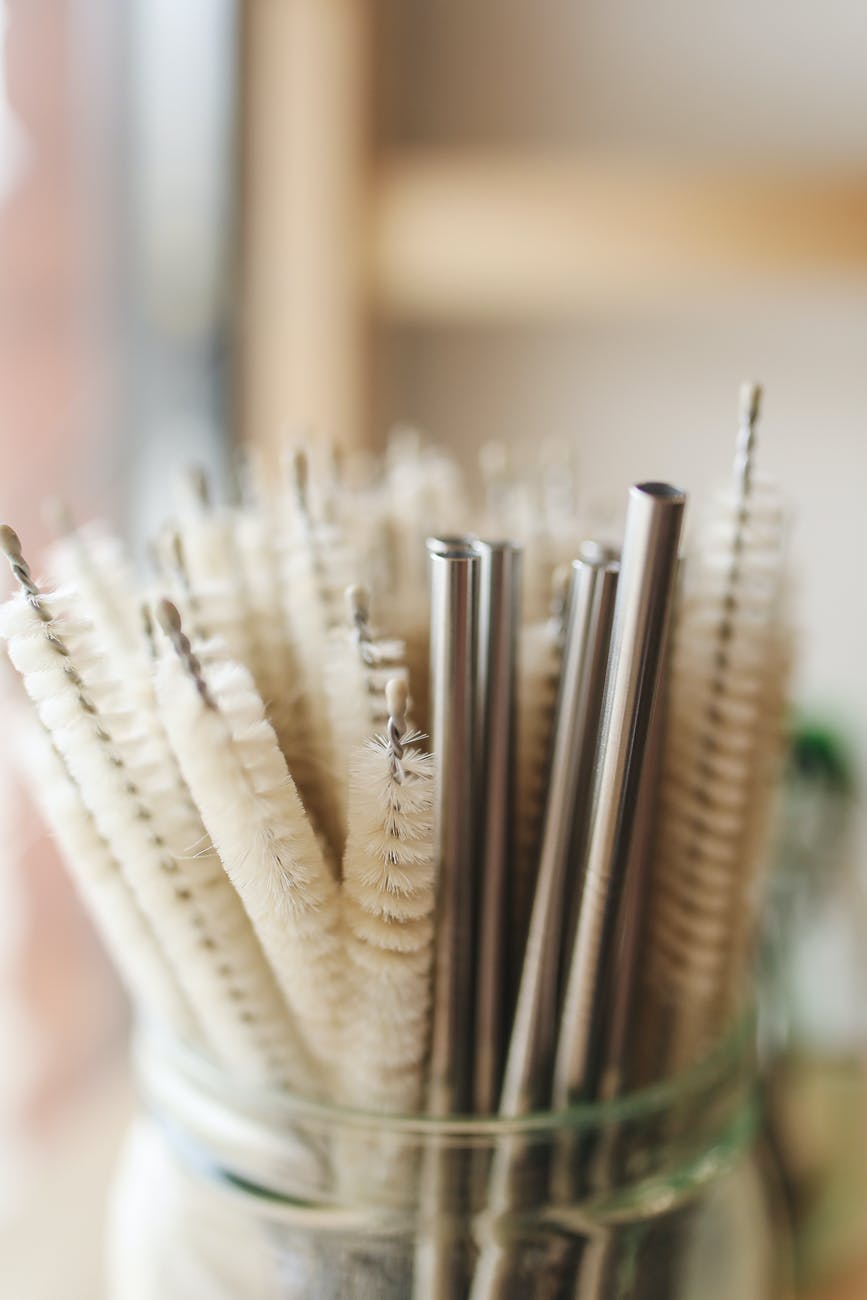
Photo by Polina Tankilevitch on Pexels.com

Ecocycle.org states that “Based on the national average, each person in the US will use approximately 38,000 or more straws between the ages of 5 and 65.” But buying just a few reusable straws to put in the car, bags, or leave at home could drastically decrease the number of straws used in the upcoming years.

6. Switch to cloth napkins
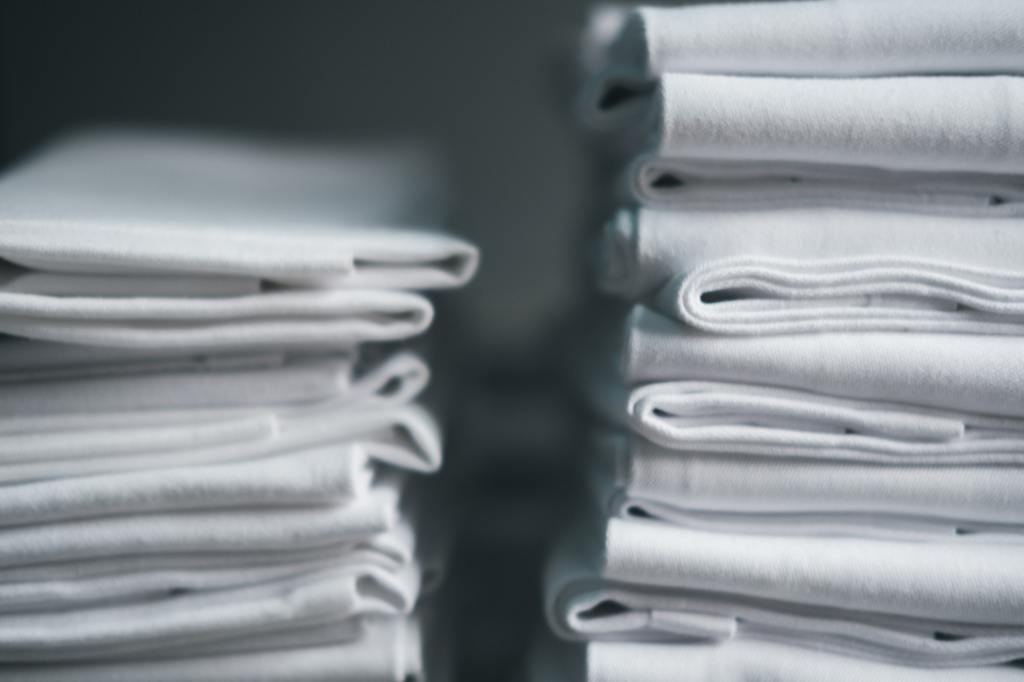
Swapping disposable items for reusable ones is always a good idea. Even if you run a separate load of laundry for. then napkins and you buy more expensive ones, the outcome is still better in the long run. Even better, you could buy enough washable napkins to make up a whole load or you can just toss them in with a clothing load. Choosing organic cotton material will additionally reduce the environmental impact of napkins.

7. Start a compost
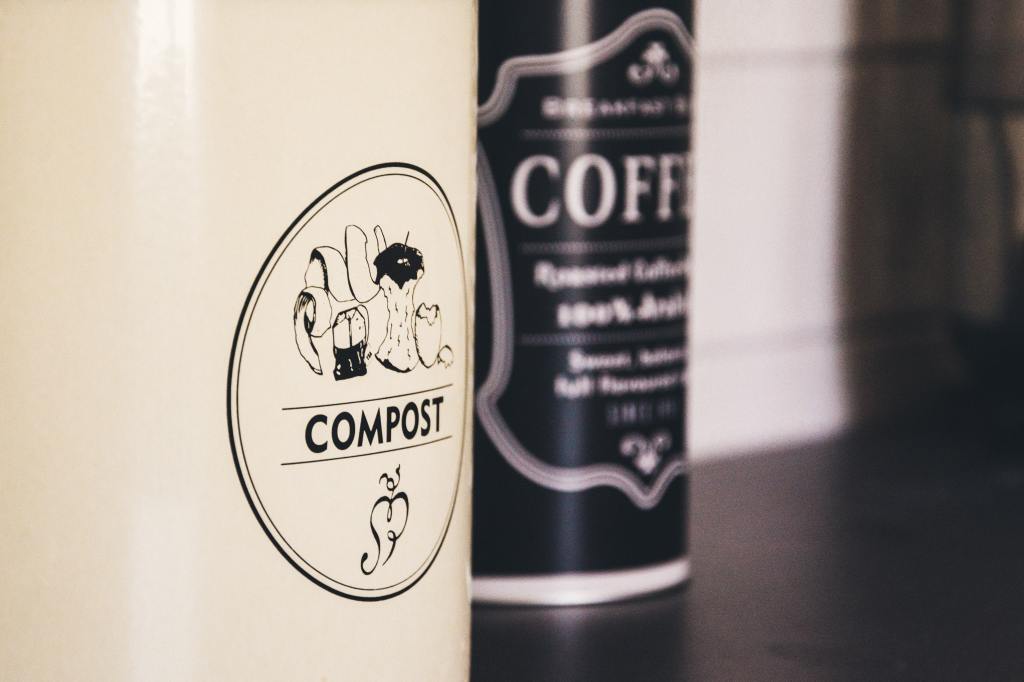
Biodegradable sraps that we often throw away can be of much better use when put in a compost bin. A composting pile or pail decreases the amount of trash sent to landfills and also minimizes the output of methane. If you live in a city or do not have the room for a compost pile/bin, there should be compost pick-up or drop-off services near you.

8. When you can, hang dry clothing
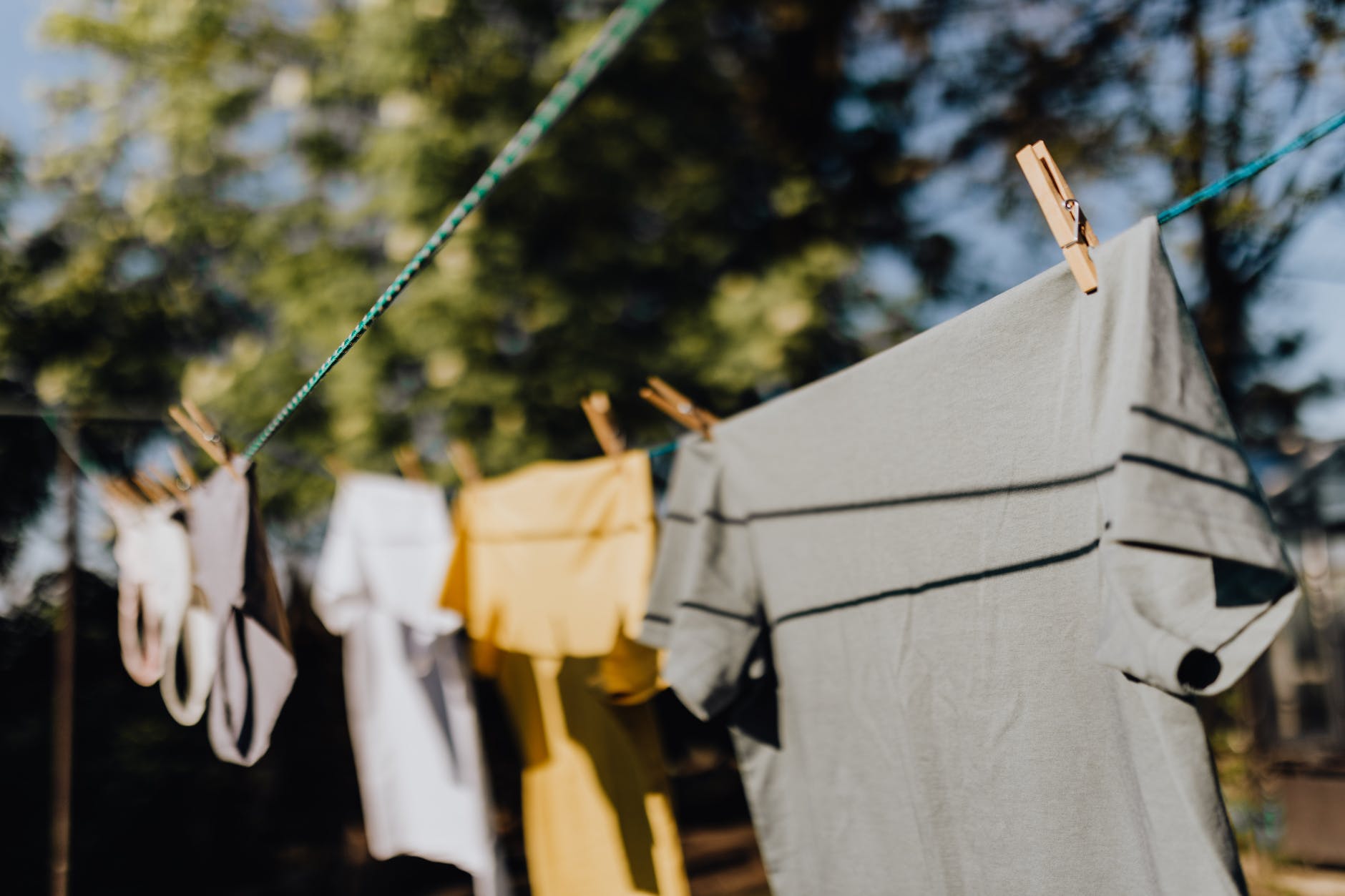
Photo by Karolina Grabowska on Pexels.com

Ditch the dryer occasionally. It can be easier to hang clothes outside in the summer time. But for the winter, you may not have enough space to dry all your clothes around your house without having clothing draped on every open wall. So here is what you can do to fix that. Instead of having one specific wash day for a week of clothing, switch to doing a load of laundry a day. Now it won’t take a whole day to wash all your clothes and you will have more room to dry clothes each day. Find one area to designate for hang drying clothes so that a habit can form.

9. Shop smart, research brands, and thrift
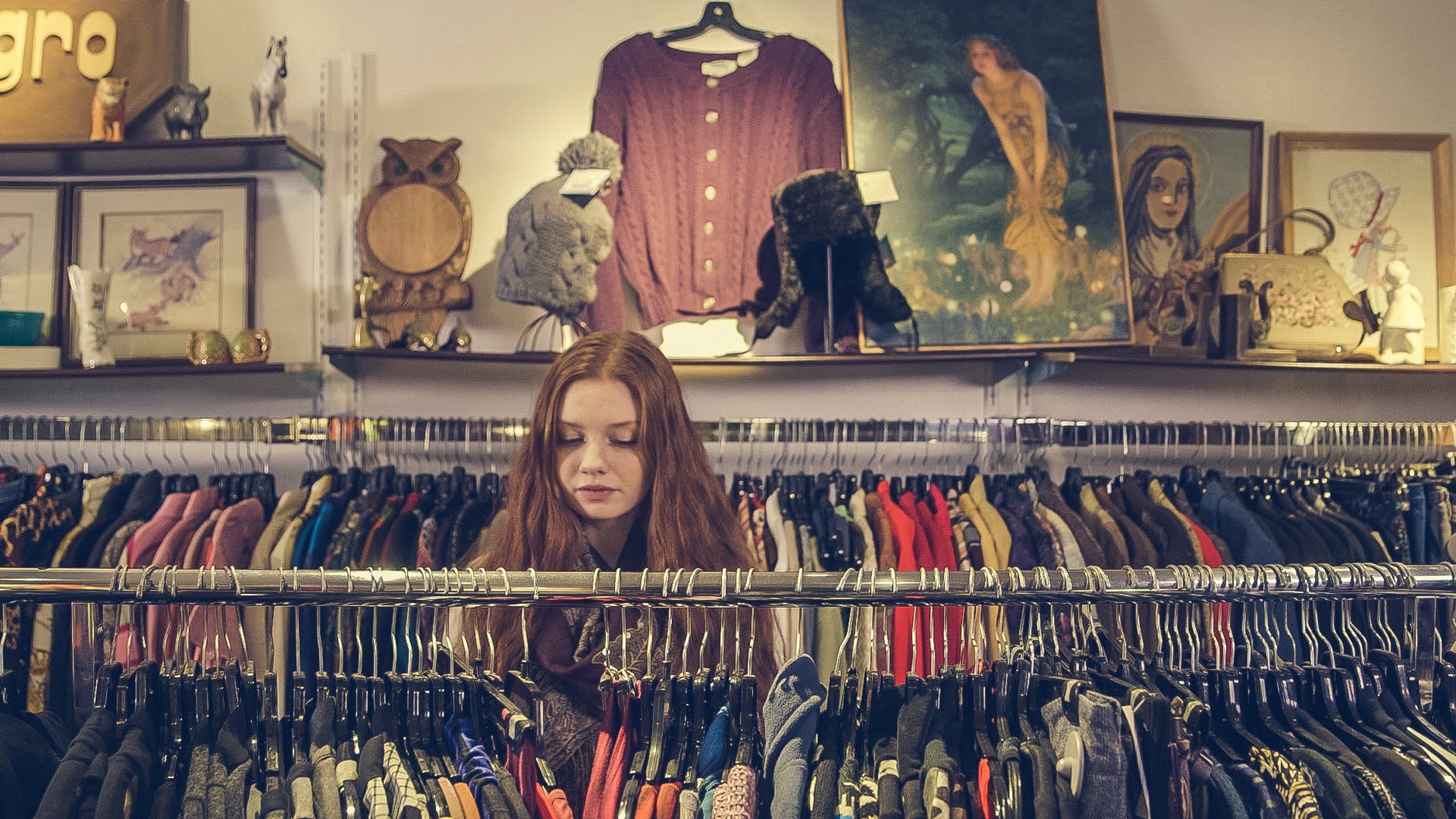
Photo by Burst on Pexels.com

Make sure that brands you shop with hold the same values you do. Research where brands clothing comes from and if it is made fairly with sustainable materials. Does the brand donate any percent of the profit to charity? When buying online, does the brand have eco-friendly packaging? If you find it challenging looking for a honest and eco-friendly brand to buy clothing from, thrifting is always a great option. If you have time, it is always a good idea to go through your own closet and see if you can donate anything to a charity or thrift store.

10. Check often for home maintenance repairs

Photo by Laurie Shaw on Pexels.com

Get into the habit of checking fixtures and appliances around your home regularly. A minor repair now can add up in the long run. Cracks or gaps in windows could cause hot or cold air to leek out of your house, raising your bills. Leaking pipes and broken or old fixtures can be costly if not dealt with. For example, LED lightbulbs use 25 percent to 80 percent less energy than regular ones and can last up to 20 times longer. Updating fixtures or appliances can improve the efficiency of your home and decrease the amount of resources it uses from the environment.

When you focus on a habit throughout the year, you can build a routine. I challenge you to find a new habit you can adapt and see if it turns into a routine by the next Earth Day. Many of these ideas may be small, but as you build more eco-friendly habits they can all make a difference. Take the challenge, share it with your friends and family, and see the positive effect it has on you and your environment.


Covid-19 : Thrive Or Threaten

With Covid-19 reaching record numbers, our economy has sat at a stand still. But as the virus continues to threaten society, the environment seems to be thriving. In China, NASA and The European Space Agency collected data with pollution monitoring satellites observing a dramatic decrease in nitrogen dioxide (NO2) when comparing data from before quarantine and during quarantine. The slowdown of China’s economy decreased the use of major nitrogen dioxide producers like motor vehicles, power plants, and industrial facilities. This trend similarly occurred in Northern Italy and other metropolitans in the United States as Covid-19 spread.

“This is the first time I have ever seen such a dramatic drop-off over such a wide area for a specific event.”

Fei Liu
Air quality researcher at Nasa’s Goddard Space Flight Center

Profesor John Helveston from The School of Engineering and Applied Science at George Washington University recently discussed his concern for a potential rebound affect of many economies around the world. He pointed out that after the 2008 financial crisis, many stimulus packages were given out from the government to stimulate the economy. This in turn lead to an increase of emissions that was more than would have occurred if the financial crisis did not happen. Unfortunately, Coronavirus dwarfs the impact of the 2008 financial crisis meaning that a quick stimulation of the world economy in 2020 could have an even more drastic effect on emissions.

This was not the situation intended to start the discussion about emission reduction. It is disturbing to see that an inadvertent virus had to occur to dramatically decrease emissions back to the 2006 levels because our fight for emission reduction should be a choice we make on our own. Coronavirus has had a positive effect on emission reduction, but only we can control if the positive change continues after Covid-19 passes.

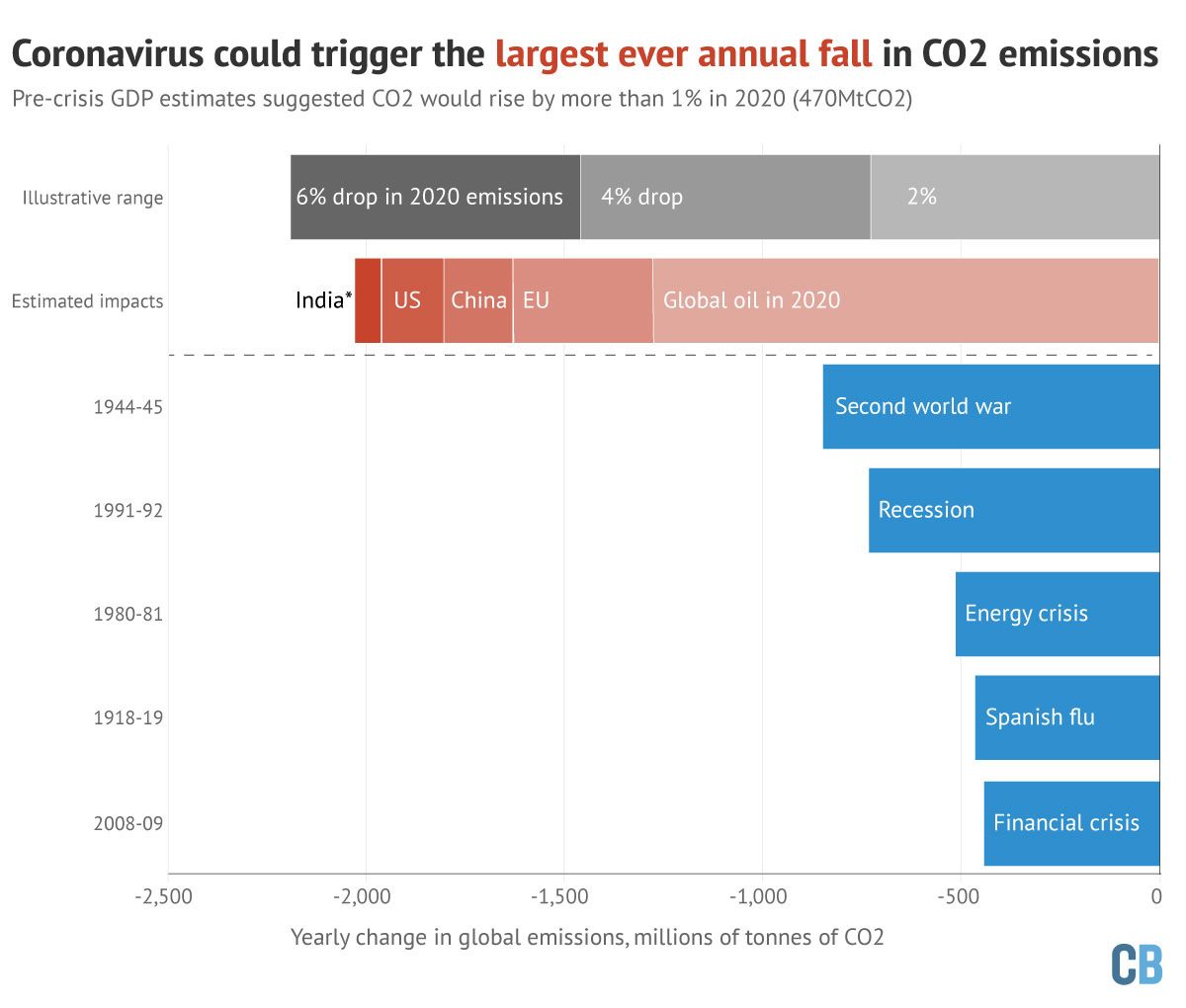
Coronavirus has resulted in a bigger drop of global emissions than any other devastation in the past 11 decades (source)

World carbon emissions in 2020 is predicted to fall anywhere from 4% to 8% compared to 2019. The Paris climate agreement and the United Nations Gap report state that global emissions must fall by between 3% and 7% each year by 2030 to limit climate change well below 2℃ and 1.5℃. The predicted carbon emissions drop in 2020 could meet this target despite all the wrong reasons.

2021 could quickly bring back normality to our economy and we would be back on the path towards increased emissions. But taking from what we have seen during the 2008 financial crisis and Covid-19, we could reach economic recovery through clean air technologies. These investments would increase economic competition, create jobs, and pave the path for a clean and long lasting future. Whether Coronavirus becomes an event that further threatens the earth or instead thrives to help it is a decision that will have a long term impact. Let’s focus on creating progress towards a cleaner world.

Ways to help the progress continue

Coronavirus is not a sustainable plan to help global emissions decrease. It’s our time to take action. Here is what we can do to make sure the world economy recovers while also continuing to reduce the environmental effect in the long run.

  1. Travel less, create a green commute
    • public transit
    • bike or advocate for bike lanes in your community
    • car-share or carpool
    • electric or plug-in hybrid vehicle
    • fly less or try to offset your emissions
  1. Be smart when using energy
    • pick an electric stove over a gas stove, reduces indoor pollution
    • unplug items when not in use
    • wash clothes in cold water and hang-dry
    • research the energy use of appliances before buying
    • winterize your home to keep heat from escaping
    • home or workplace energy audits can help identify where you could be saving energy
  2. Transition to more renewable energy sources in your home
  3. Create a climate friendly diet
    • Eat or cook more meat-free meals
    • Buy organic and local
    • Don’t waste food
    • Grow your own

The biggest sources of global emissions takes actions from governments and industries leaders

Here are plans we as individuals cannot accomplish without our government and industry leaders. But we can raise awareness and increase discussions about these topics to pressure action from higher authorities.

  1. Discuss plans for a clean air ordinance or contingency
  2. Be politically active and vote
    • support Congressional candidates fighting against climate change
    • vote out and oppose the ones who don’t
  3. Urge Ottawa to support a green recovery
    • click the button to sign the petition
  1. Make the post COVID economic recovery a clean green recovery
  1. A green recovery from COVID-19 in Northern Ireland petition
  1. We Need a Climate Justice Recovery for New York petition
  1. Green recovery with the help from the EU petition

Our Interests

The Era of the “Green Consumer”

The goal of living a more sustainable life is easier said than done. However, recently the consumer market has seen an increased demand for eco-friendly products. This sustainable mindset is sweeping the nation. Consumers are learning how to be more conscious of what they buy (or reuse) and know that their consumer habits can affect efforts towards a sustainable world. 

Consumers are the deciding factor of all products on the market, good or bad. The industrial food system in the US is faced with mass demand, leading to many problems for animal welfare, human health, and our environment. Many people believe a switch to sustainable food would not meet the demand of consumers. However, it is possible to feed more people with sustainable food. The Guardian states that although organic agriculture produces “lower yields, it is more profitable (by 22–35%) for farmers because consumers are willing to pay more. These higher prices essentially compensate farmers for preserving the quality of their land.” Organic agriculture will lessen environmental costs like biodiversity loss, environmental degradation, and habitat destruction that cost conventional farming lots of money to fix. 

By transitioning to sustainable farming, we can create less exhausted, fertile land that produces more eco-friendly food. Although the cost of supporting sustainable goods might be more today, ultimately the cost of cheaper non sustainable goods will cost us more in the long run. As consumers buy more sustainable products, companies will react by increasing supply to meet consumer demand resulting in less traditional, non sustainable products. As demand increases for sustainable goods, costs will come down. Of course, this process won’t happen overnight, but it is a step in the right direction. So next time you take a product off the shelf, ask yourself, what’s the true cost of the impact of this decision?

“Consumers are the deciding factor of all products on the market”