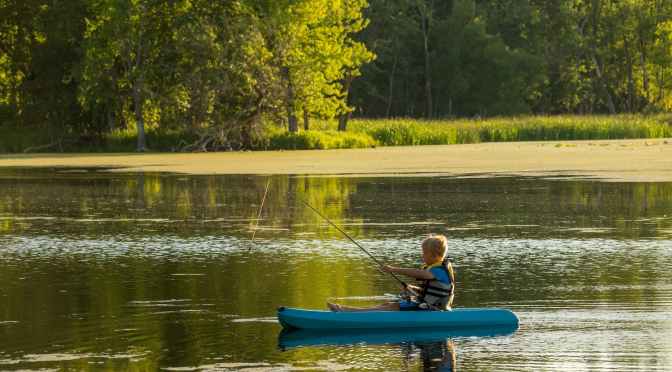
All posts by Tessa Reimer

Chronicles of a Colorado kid during the water crisis

A personal essay about the relationship between water and a young girl

My life starts where the Colorado river begins. At its headwaters, I grew up among meadows of wildflowers and crystal clear water. I grew tall with the trees that sprouted each spring in my yard. My neighborhood was home to many families; by families I mean the families of elk, eagles, deer, and bears. I made finger paintings of butterflies and odd looking mushrooms I found in the woods. As I grew up and began to travel more, I became greatly interested in what was downstream. At age 7, I was told that downstream makes up about 1,450 miles. That number meant nothing to me as a child and still is unfathomable to this day. The vastness of distance came into view when I started exploring the West with my own eyes. I was conflicted by the popular view that the river was simply just a resource for water to many cities and the people within them. To me, the river will always be another living thing among me and my family. 

It is a long process to get to know a river; you can’t just take it out to dinner and ask about its life story exactly. It takes patience, curiosity, and persistence but more so some good sunscreen, hiking shoes, and a few boring summer breaks. Through my problem solving and pesky question asking as a kid,  I found out that the river doesn’t look how it’s supposed to when you get further downstream. It’s dried up and doesn’t run into the gulf like it once did. And I was on a trek to figure out why. Any map will show you that seven states rely on this river: Colorado, New Mexico, Utah, Wyoming, Arizona, California, and Nevada. Man made aqueducts and dams bring the water to places hundreds of miles away from the river. The All-American Canal is an 80 mile long aqueduct bringing water to the Imperial Valley of southern California and is the only water supply for the Imperial Irrigation District. Without water rights to the Colorado River, this productive agricultural region would turn back to a barren desert, affecting the food supply for all of California. The river has many more “stories” than I assumed and it affects more places than I could possibly ever travel to by myself. Some effects I have seen with my own eyes are from two of the rivers largest reservoirs, Lake Mead and Lake Powell. Here I was able to see the reality of what was wrong. I have visited these lakes yearly and each time it’s been lower than the trip before. Memory of a full and replenished lake leaves behind “bathtub rings” hundreds of feet above where water currently sits. Water tells a story. And this story is of what once was. 

The Colorado River water crisis should be a state of emergency. Water is necessary for all life. And it’s becoming increasingly clear that we are running water dry. According to the 2022 study in the journal nature climate change, the southwest is experiencing its driest period since year 800. That’s a whopping 1,200 years. The journal takes into account the last 22 years, concluding that less soil moisture and runoff are only the beginning warning signs. Areas that were once abundantly green and thriving are now having droughts and are more susceptible to wildfires. Hot and dry winds in 2020 started the Grizzly Creek fire in the Colorado Glenwood Canyon, evacuating my family and many others. This area is known for cool temperatures, river recreation, and skiing however that did not stop the fire from burning over 32,000 acres. The main highway running through Colorado, I-70, was closed for two weeks, the longest closure in its history. I heard many people say “It just happened to be a particularly dry month.” I never quite thought that way. The area needed more water and it was used to more water. Once there is a lack of water in the soil and brush, fighting the fire becomes much more difficult. The fire lasted four months. We didn’t need more water, more water needed to be left alone. I encourage you to think like two environmentalist writers, Figueres and Rivett-Carnac, who propose that we should “read each scenario not as a prediction of the future but as a warning of what may come and what we still have a chance to change.” Wildfire risk will be a prevalent future event unless we change our water usage habits. Like the title of their book entails, it’s all about The Future We Choose

Everyone can build new habits but it is what we do collectively that produces change. This idea has been sparked in a few cities down farther along the river, one particularly being Las Vegas, Nevada. I visited family there often as a child and was always shocked that this huge metropolis was located in the middle of the desert. And it all comes back to the Colorado River water, specifically Lake Mead that makes living there even remotely possible. Nearly everyone has adapted to a friendly water usage lifestyle. They have seasonal water restrictions and schedules that limit landscape irrigation, homeowners replace grassy lawns with water efficient landscaping and drought-tolerant plants, and water waste is encouraged to be reported, corrected, and reused or returned to the Colorado River. After asking my family who lives there about how big of a change this must have been, I was surprised to find that it was no big task to give up some water here or there. They didn’t even realize how much was being wasted. The funny thing seems to be that nobody is complaining about how their life is now. Landscaping is more self-sufficient than ever, saving time and money for homeowners but also keeping water in the river where it belongs. Water efficiency throughout a whole city is the type of big collective action we need. We must all free our minds from its wasteful habits because The Future We Choose is right again: “Thinking outside established patterns is a radical act for preserving our collective freedom.” Our water sources have never been endless, it’s just the fact that we are only becoming affected by it now.

“It is a long process to get to know a river; you can’t just take it out to dinner and ask about its life story exactly.”

Humans are short term problem solvers; when it comes to a long term problem, we rarely act unless we’re currently being affected. Why is this? It goes back to animal instinct to detect present danger. In an op-Ed in the Las Angeles times, Harvard psychologist Daniel Gilbert emphasized global warming as a threat to humans largely because it does not trip our brains alarm even when our world may be burning around us. Issues like climate change and the water crisis do not cause the same reactions as threats like terrorism. In order to shift our mindset, we must humanize the water crisis and make it a morally reprehensible action. Megadroughts should be described with he/she/it pronouns as if some thing is really attacking our water supply. Get to know your river or local water sources as if you really are taking it out to dinner and asking about its life story. Users of this natural source must also maintain their water ethics. If we continue to be bystanders to the water crisis, not only will physical droughts pursue, but moral droughts as well. Water stewardship is built on ethics and it is time we all reflect on what we’ve been doing or not doing to fulfill these moral obligations. I, for one, refuse to believe in a reality where the end of my life coincides with the end of the Colorado River.

Fashion Directory: Shirts

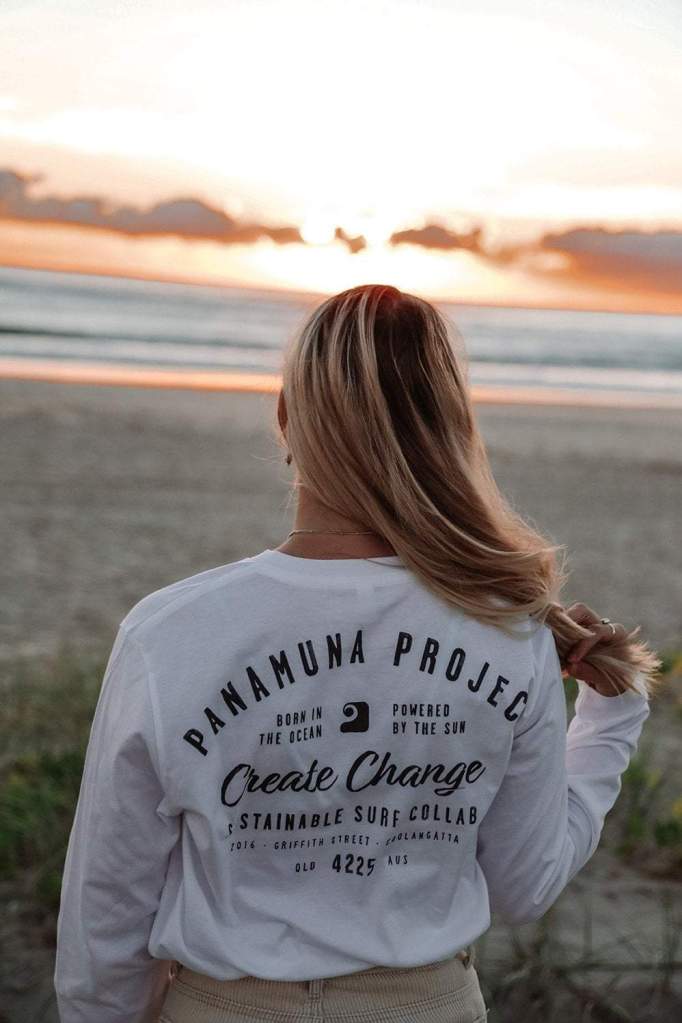
Panamuna Project

Sustainable/organic fabrics

Low water footprint

Cruelty free

Water-based ink

Biodegradable packaging

Solar energy

The Panamuna Project‘s low footprint is from their use of 95% rainwater to produce their t-shirts, their 89.7% reduction of CO2 emissions, and their use of zero ozone depleting chemicals. Their t-shirt for a purpose collection donates 100% of their profits to the organization or person that the t-shirt was designed for.

Studio Jux

Organic cotton/linen/hemp

Renewable energy

Fair trade

Limits waste-water

Women empowerment project

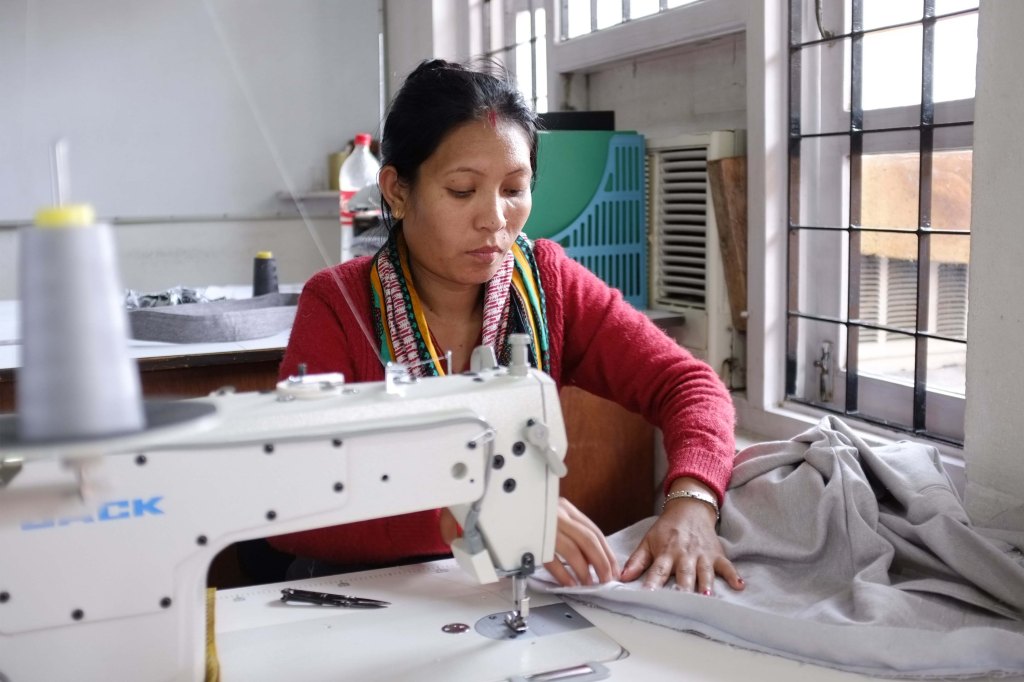
Studio Jux‘s production is based in Nepal in hopes to maximise the social-economic impact in developing countries. This includes offering living wages, social security, and safe working conditions.

The Classic T-Shirt Company

Durable

Organic cotton

Non-toxic dyes

Fair trade

100% USA made

Recycled/plastic free packaging

The Classic T-Shirt Company uses organic cotton, making their shirts ] super soft, long-lasting, and resistant to stretching and fading.

Tentree

Fair trade

Transparent logs of CO2 emissions and water used

Tencel, recycled polyester, organic cotton, hemp

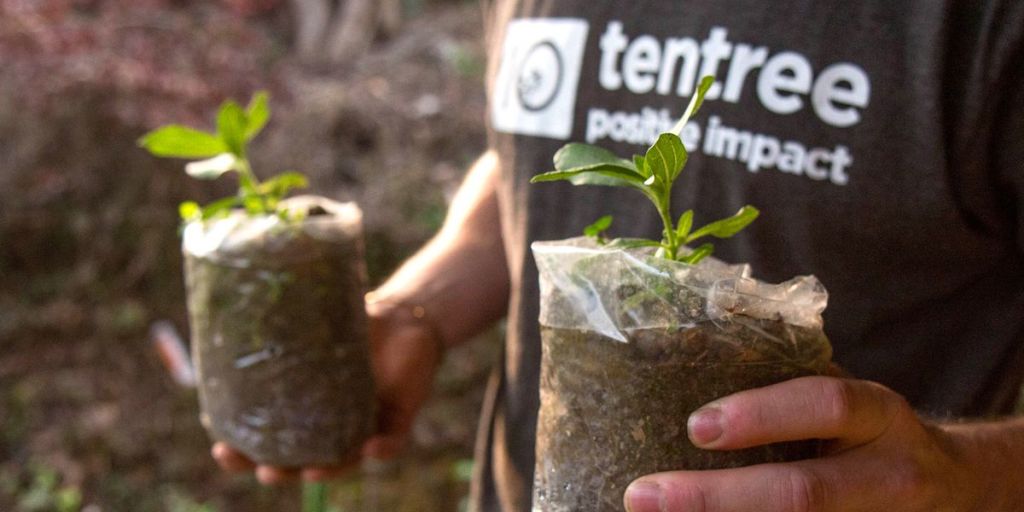
With Tentree, every item purchased plants ten trees. By 2023, they also hope to have no virgin packaging materials and replace all single-use plastics from their production lines.

Fashion Directory: Swimwear

Patagonia

1% Earth tax to preservation & restoration nonprofits

Fair trade

64% of materials are made from recycled fibers

Organic cotton

Patagonia’s Worn Wear program repairs, shares, and recycles gear. You can also earn credit and get paid from trading in your old Patagonia clothing. They also sell Yulex natural rubber wetsuits.

Panamuna Project

Sustainable/organic fabrics

Low water footprint

Cruelty free

Water-based ink

Biodegradable packaging

Solar energy

Panamuna Project‘s low footprint is from their use of 95% rainwater to produce their t-shirts, their 89.7% reduction of CO2 emissions, and their use of zero ozone depleting chemicals. Their t-shirt for a purpose collection donates 100% of their profits to the organization or person that the swimwear was designed for.

Do Good Swimwear

Women owned/run

Made to last

Recycled materials from ocean waste

Repair & recycle programs

Compostable packaging

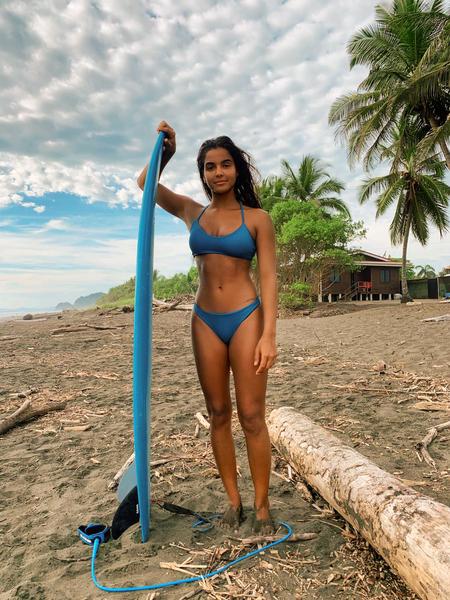
Do Good Swimwear sells suits that are made out of Econyl, a recycled nylon from ocean waste like fishing nets and plastic bottles. Fabric waste is used to patch up old swimwear or make smaller accessories.

The Real Cost of Fast Fashion

Look up the term “fast fashion”. What are the first images that pop up? There may be pictures of mass produced, trendy and cheap clothing, pumped into stores for the consumers convenience. But what most people do not see is how it contributes to over 10% of global carbon emissions. They don’t see the dump where 85% of all textiles go each year. They don’t see the fibers impact on freshwater withdrawal or the 2000 gallons of water used to produced one —yes only one— pair of jeans. This totals at more energy used than maritime shipping and international airlines combined. The cost of fast fashion goes far further than the price-tag.

“The cost of fast fashion goes far further than the price-tag.”

Environmental Effects

Microplastics

It is estimated that synthetic microfibers that are found in textiles and are sizable to a strand of hair are the cause of 35% of the microplastic pollution in the ocean. Textiles is the largest single source contributing to microplastic pollution, emitting 2.2 million tons of microfibers into the ocean each year, or the weight of 440,000 elephants.

Social Impact

Extremely cheap prices mean some cost is being cut in a business so that they are still producing a profit. Oftentimes wages are cut, workers may be put in dangerous conditions, or there is child labour. In South India, the Sumangali scheme is a practice that sends young girl to work in textile factories as bonded labor for low wage or to pay off a debt. Girls live in poor conditions and are mistreated and abused.

Energy

Fast fashion uses more energy just like how accelerated driving wastes more gas. Polyester and cotton are commonly used in fast fashion. Polyester is usually derived from petroleum which is one of the most difficult raw materials to trace back to its source. 2015 data estimates 262% more CO2 is emitted in producing one polyester shirt compared to a cotton shirt. Recycled or renewably sourced polyester (biosynthetics) have more transparent supply chains compared to virgin polyester.

Look for. . .

  • recycled materials– nylon, polyester, cotton and wool
  • organic materials- linen, hemp and cotton
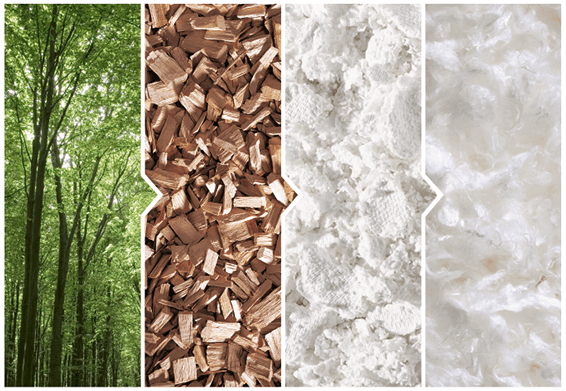
  • tencel (made from wood)
  • monocel (made from bamboo)

5 Ways To Fight Fast Fashion

1. Look for Transparency

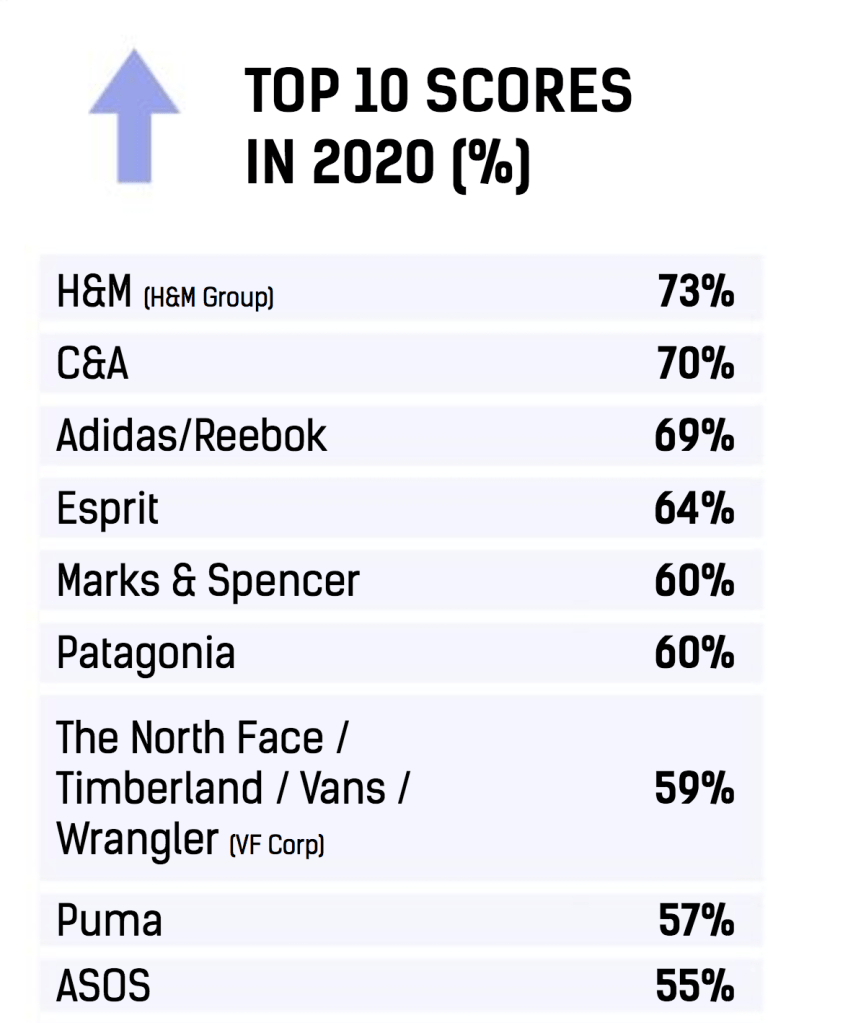
The fashion transparency index, made by Fashion Revolution, is a ranking of 250 large fashion brands on transparency of their social / environmental policies, practices and impacts. It encourages brands to share more information to consumers.

This index is not an indicator of sustainability or the ethics of brands. It is just their level of transparency. Fast fashion labels can be transparent while continuing poor working conditions or unsustainable practices. Vice versa, brands who are not transparent may still use ethical policies. Transparency enables consumers to make more informed decisions about purchases. Buying from transparent brands will reveal and allow us to address systematic problems in our supply chain.

2. Quality Over Quantity

Fast fashion often is made from cheap fabrics that will not last long. A quality piece of clothing will be cheaper in the long run and can be worn for a longer period of time. Get the best value by buying something that is made to last.

3. Have Your Own Style

Current trends could go out of style next week. To make sure you actually wear what you buy more than once, make sure the majority of your wardrobe is staple items and items that are your personal style. Buy what you love, not what fits in line with a trend.

4. Shop like an Educated Consumer

Check out The Educated Consumer’s Fashion Directory to find our list of ethicals and sustainable brands that are committed to transparency.

5. Resell or Donate

Plenty of companies allow you to sell clothing online or in store. Consider donating your clothes to thrift stores like Salvation Army or Goodwill. Vietnam Veterans of America also accepts donations of clothing or household appliances. Click the link below to see if there is a drop-off location near you or to schedule a pick-up. Another organization that helps with reducing the effects of fast fashion is The American Red Cross who has partnered with GreenDrop re-sell donated clothes to thrift stores to benefit the Red Cross. Find a drop-off location near you or schedule a pick-up by clicking the link below.

Thanks for reading!

Join the family of educated consumers.

Sustainable & ethical fashion starts here

Personal Stories

Chronicles of a Colorado kid during the water crisis Shared stories among friends (upcoming) Outdoor Adventures (upcoming)

Keep reading

Fashion directory: Jeans

Outerknown

Transparent

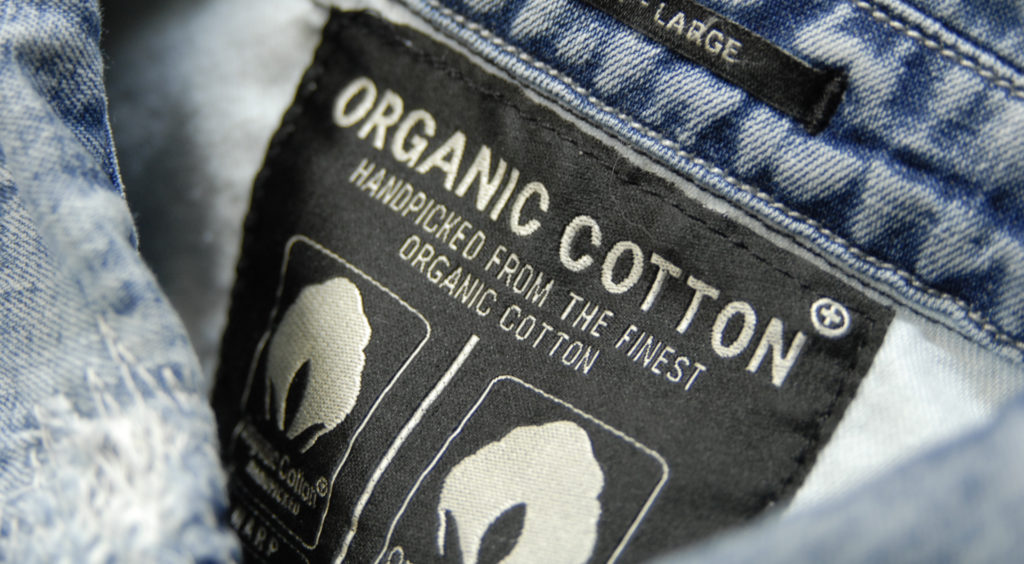
Organic Cotton

Fair Trade

Free Repair/Replacements

Up-cycles

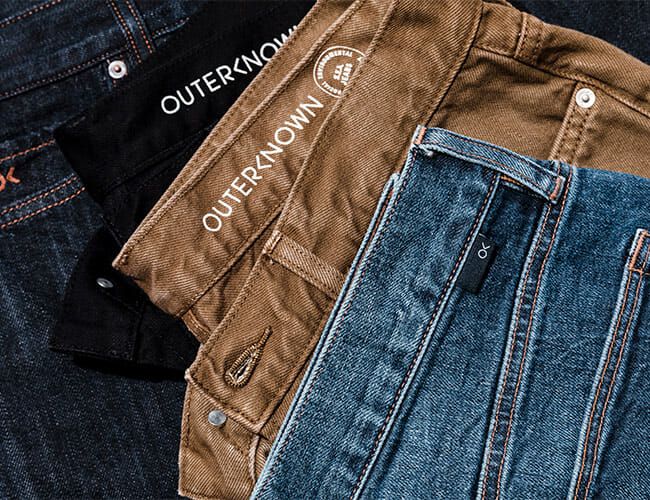
Outerknown is committed to sustainability. To uphold this promise, they repair, replace, or recycle Outerknown jeans as well as use fibers that are organic, recycled, or regenerated. To top it off, they participate in fair trade and fair labor.

Kuyichi

100% organic cotton denim

Recycled cotton / polyester

Vegan no leather patches

PETA approved

Kuyichi, the first organic denim brand since 2001, has taken a pledge towards transparency by disclosing their full supplier list as well as sustainability reports. They are also apart of the Fair Wear Foundation that fights for better labour conditions in the fashion industry.

Afends

Transparency

Hemp revolution

Organic cotton

Solar powered headquarters

Durable/timeless design

Corn starch packaging bags

Ethical sourcing standards

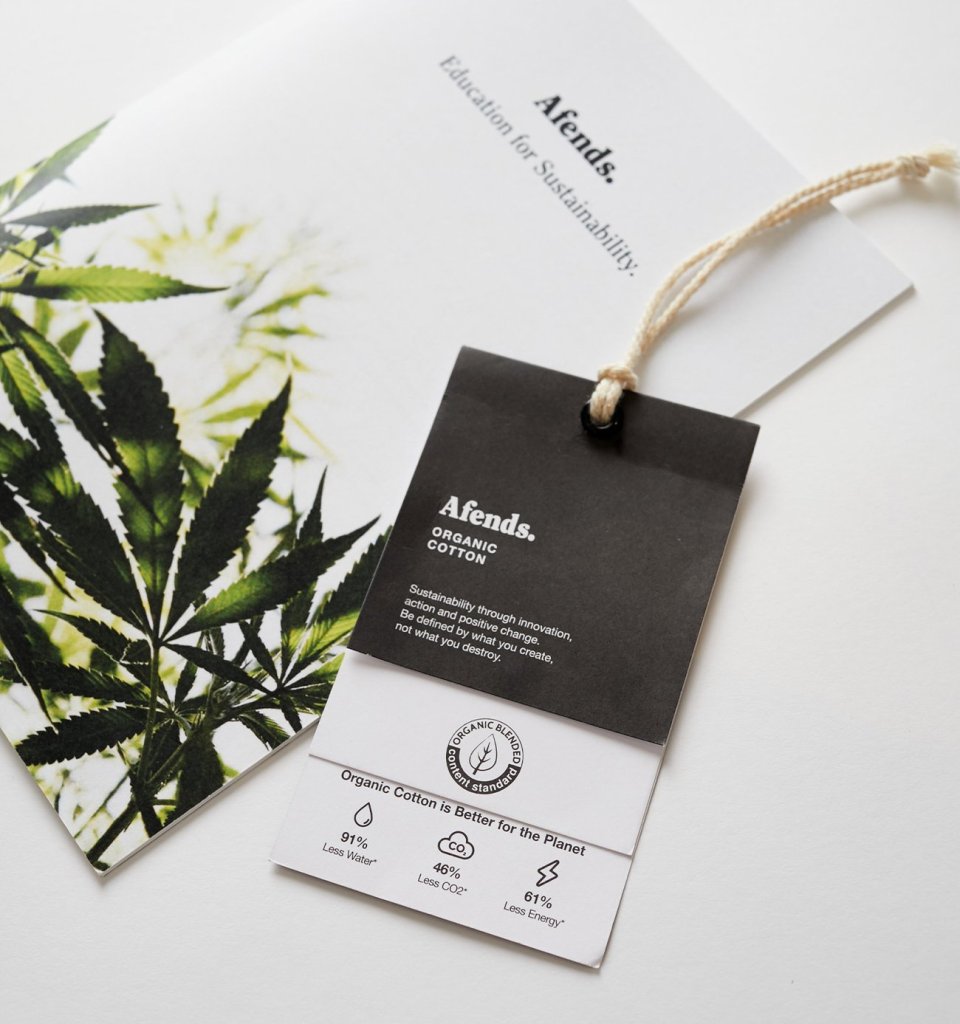
Afends chose to incorporate hemp into their fabrics because it’s renewable, doesn’t need pesticides, and requires less water and produces more fibre per acre than cotton.

Mud Jeans

Organic/recycled cotton

Fair production

Toxic free

PETA approved vegan

Seasonless

Recyclable stainless steel buttons

CO2 neutral

Transparent

Mud jeans is the worlds first circular denim brand. This means that instead of their jeans ending up as waste, they re-enter production after use. Their goal is to design the first jeans made from 100% post-consumer recycled cotton, however, at the moment they are at 40%.

Nudie Jeans

Free repairs forever

Packaging made from recycled plastic

Organic/fairtrade/recycled cotton

Transparent

Fair Trade

Part of UPS Carbon Neutral Program

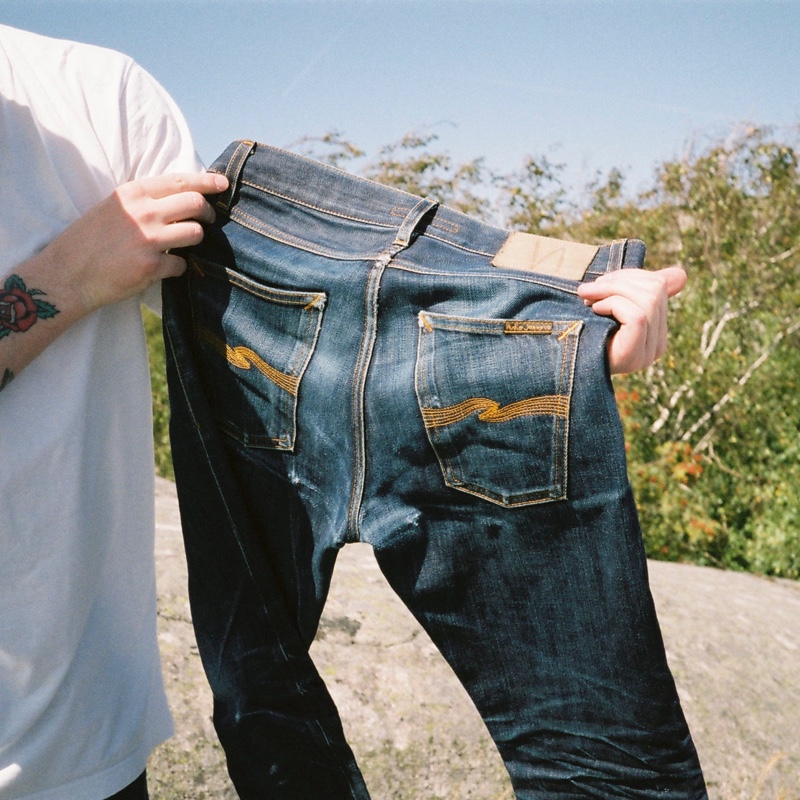
Nudie Jeans denim, made from 100% organic cotton, was created with a sustainable vision in mind. They remain very transparent with their supply chain. In many countries that supply them with materials, Nudie Jeans makes sure they pay living wages to their workers, especially in countries where national minimum wage is less than the cost of living.