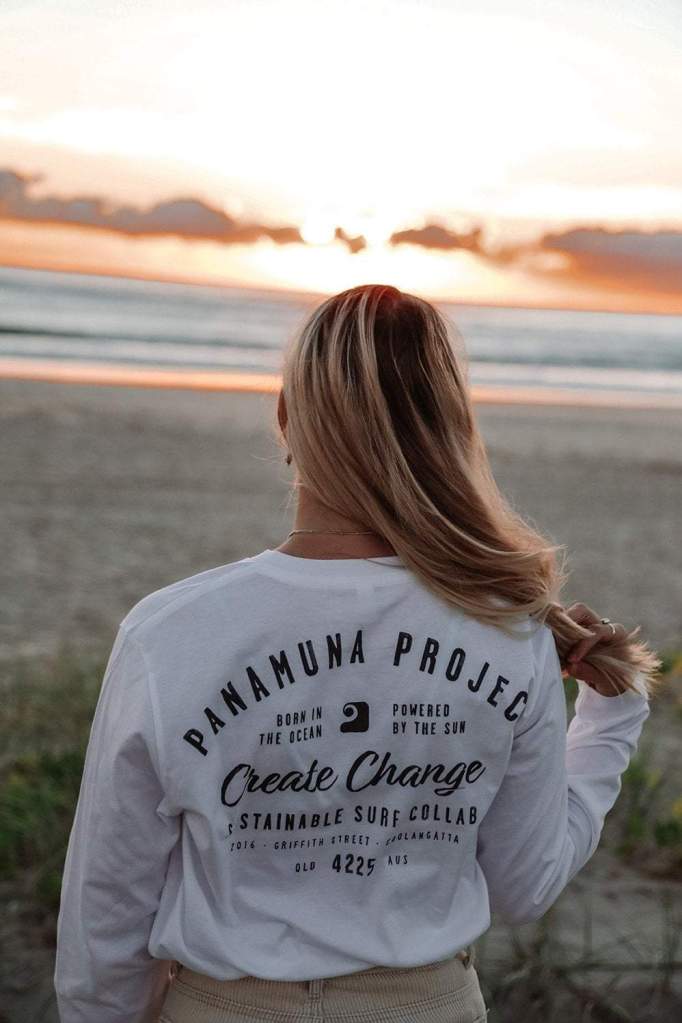
The Panamuna Project‘s low footprint is from their use of 95% rainwater to produce their t-shirts, their 89.7% reduction of CO2 emissions, and their use of zero ozone depleting chemicals. Their t-shirt for a purpose collection donates 100% of their profits to the organization or person that the t-shirt was designed for.
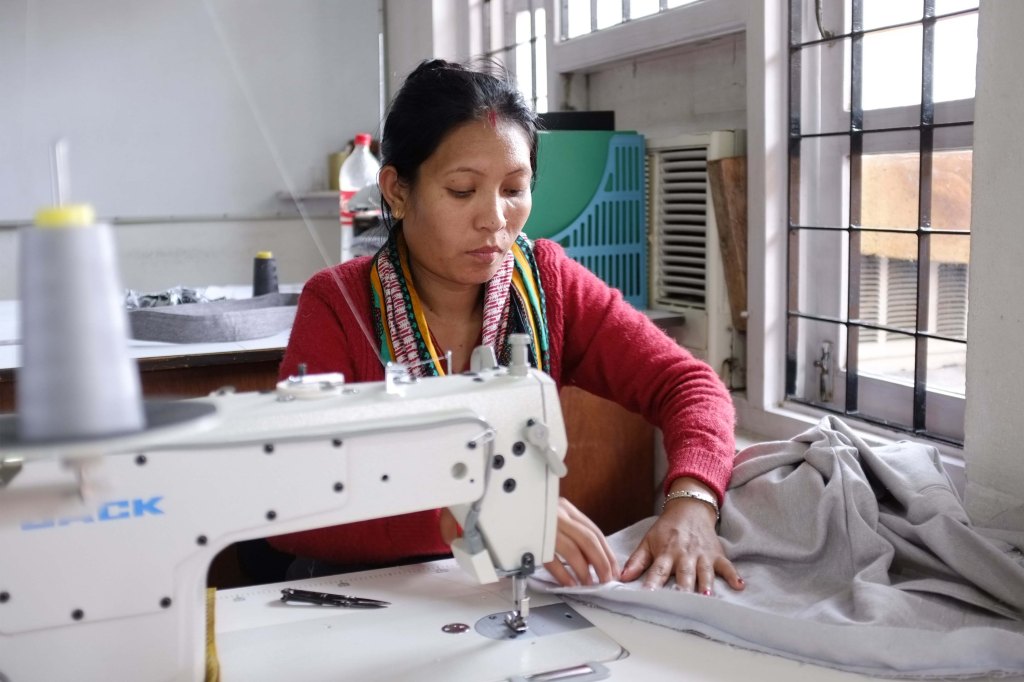
Studio Jux‘s production is based in Nepal in hopes to maximise the social-economic impact in developing countries. This includes offering living wages, social security, and safe working conditions.
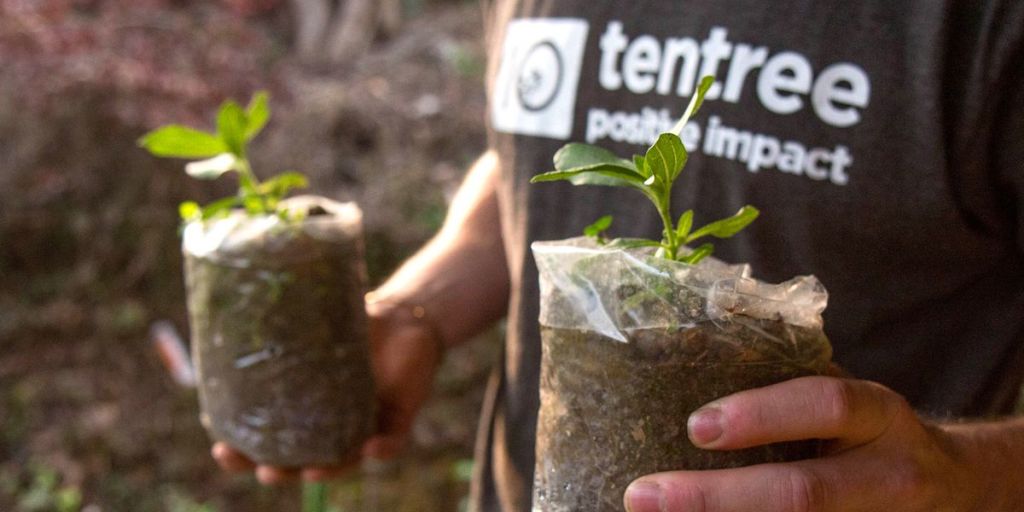
With Tentree, every item purchased plants ten trees. By 2023, they also hope to have no virgin packaging materials and replace all single-use plastics from their production lines.
1% Earth tax to preservation & restoration nonprofits
Fair trade
64% of materials are made from recycled fibers
Organic cotton
Patagonia’s Worn Wear program repairs, shares, and recycles gear. You can also earn credit and get paid from trading in your old Patagonia clothing. They also sell Yulex natural rubber wetsuits.
Panamuna Project‘s low footprint is from their use of 95% rainwater to produce their t-shirts, their 89.7% reduction of CO2 emissions, and their use of zero ozone depleting chemicals. Their t-shirt for a purpose collection donates 100% of their profits to the organization or person that the swimwear was designed for.
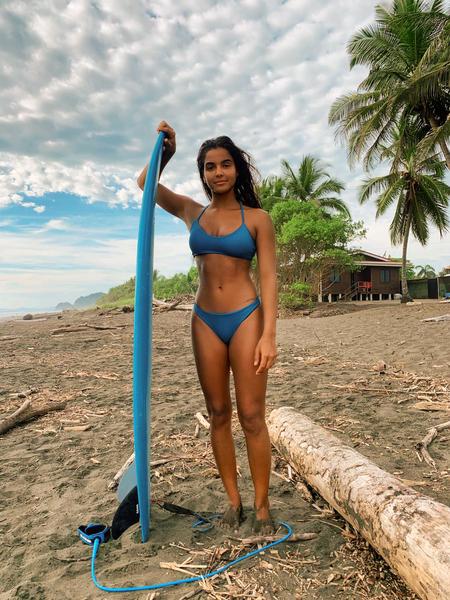
Do Good Swimwear sells suits that are made out of Econyl, a recycled nylon from ocean waste like fishing nets and plastic bottles. Fabric waste is used to patch up old swimwear or make smaller accessories.
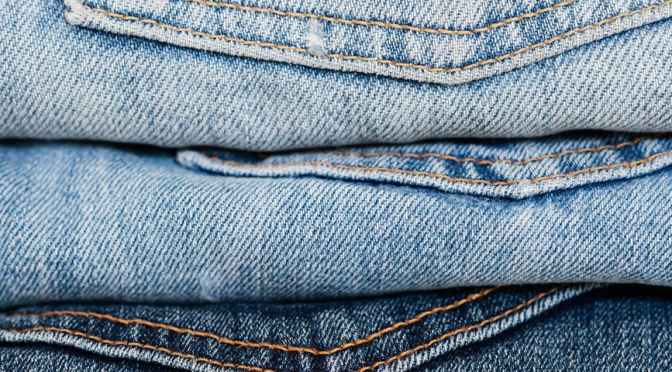
Look up the term “fast fashion”. What are the first images that pop up? There may be pictures of mass produced, trendy and cheap clothing, pumped into stores for the consumers convenience. But what most people do not see is how it contributes to over 10% of global carbon emissions. They don’t see the dump where 85% of all textiles go each year. They don’t see the fibers impact on freshwater withdrawal or the 2000 gallons of water used to produced one —yes only one— pair of jeans. This totals at more energy used than maritime shipping and international airlines combined. The cost of fast fashion goes far further than the price-tag.
“The cost of fast fashion goes far further than the price-tag.”
Environmental Effects
Microplastics
It is estimated that synthetic microfibers that are found in textiles and are sizable to a strand of hair are the cause of 35% of the microplastic pollution in the ocean. Textiles is the largest single source contributing to microplastic pollution, emitting 2.2 million tons of microfibers into the ocean each year, or the weight of 440,000 elephants.
Social Impact
Extremely cheap prices mean some cost is being cut in a business so that they are still producing a profit. Oftentimes wages are cut, workers may be put in dangerous conditions, or there is child labour. In South India, the Sumangali scheme is a practice that sends young girl to work in textile factories as bonded labor for low wage or to pay off a debt. Girls live in poor conditions and are mistreated and abused.
Energy
Fast fashion uses more energy just like how accelerated driving wastes more gas. Polyester and cotton are commonly used in fast fashion. Polyester is usually derived from petroleum which is one of the most difficult raw materials to trace back to its source. 2015 data estimates 262% more CO2 is emitted in producing one polyester shirt compared to a cotton shirt. Recycled or renewably sourced polyester (biosynthetics) have more transparent supply chains compared to virgin polyester.
Look for. . .
recycled materials– nylon, polyester, cotton and wool
organic materials- linen, hemp and cotton
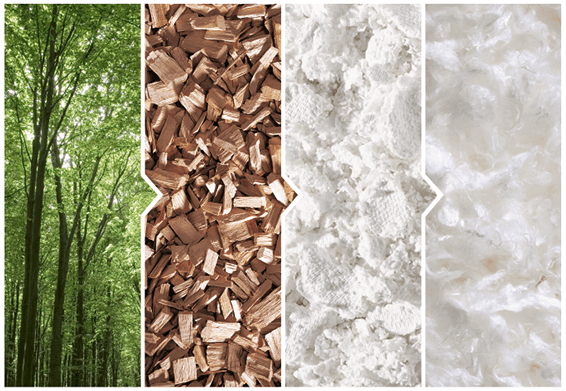
tencel (made from wood)
monocel (made from bamboo)
5 Ways To Fight Fast Fashion
1. Look for Transparency
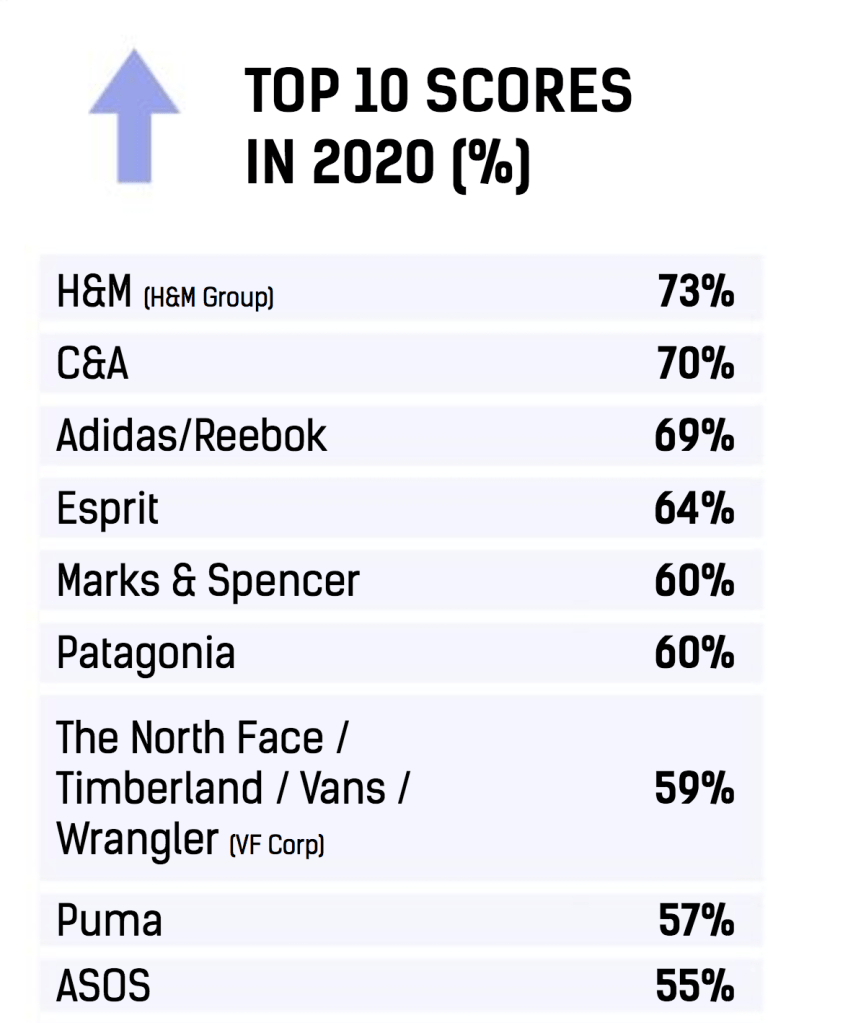
The fashion transparency index, made by Fashion Revolution, is a ranking of 250 large fashion brands on transparency of their social / environmental policies, practices and impacts. It encourages brands to share more information to consumers.
This index is not an indicator of sustainability or the ethics of brands. It is just their level of transparency. Fast fashion labels can be transparent while continuing poor working conditions or unsustainable practices. Vice versa, brands who are not transparent may still use ethical policies. Transparency enables consumers to make more informed decisions about purchases. Buying from transparent brands will reveal and allow us to address systematic problems in our supply chain.
2. Quality Over Quantity
Fast fashion often is made from cheap fabrics that will not last long. A quality piece of clothing will be cheaper in the long run and can be worn for a longer period of time. Get the best value by buying something that is made to last.
3. Have Your Own Style
Current trends could go out of style next week. To make sure you actually wear what you buy more than once, make sure the majority of your wardrobe is staple items and items that are your personal style. Buy what you love, not what fits in line with a trend.
4. Shop like an Educated Consumer
Check out The Educated Consumer’s Fashion Directory to find our list of ethicals and sustainable brands that are committed to transparency.
Plenty of companies allow you to sell clothing online or in store. Consider donating your clothes to thrift stores like Salvation Army or Goodwill. Vietnam Veterans of America also accepts donations of clothing or household appliances. Click the link below to see if there is a drop-off location near you or to schedule a pick-up. Another organization that helps with reducing the effects of fast fashion is The American Red Cross who has partnered with GreenDrop re-sell donated clothes to thrift stores to benefit the Red Cross. Find a drop-off location near you or schedule a pick-up by clicking the link below.
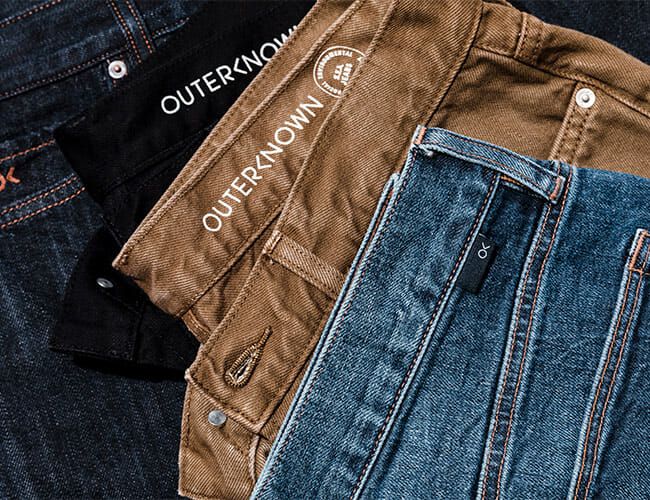
Outerknown is committed to sustainability. To uphold this promise, they repair, replace, or recycle Outerknown jeans as well as use fibers that are organic, recycled, or regenerated. To top it off, they participate in fair trade and fair labor.
Kuyichi, the first organic denim brand since 2001, has taken a pledge towards transparency by disclosing their full supplier list as well as sustainability reports. They are also apart of the Fair Wear Foundation that fights for better labour conditions in the fashion industry.
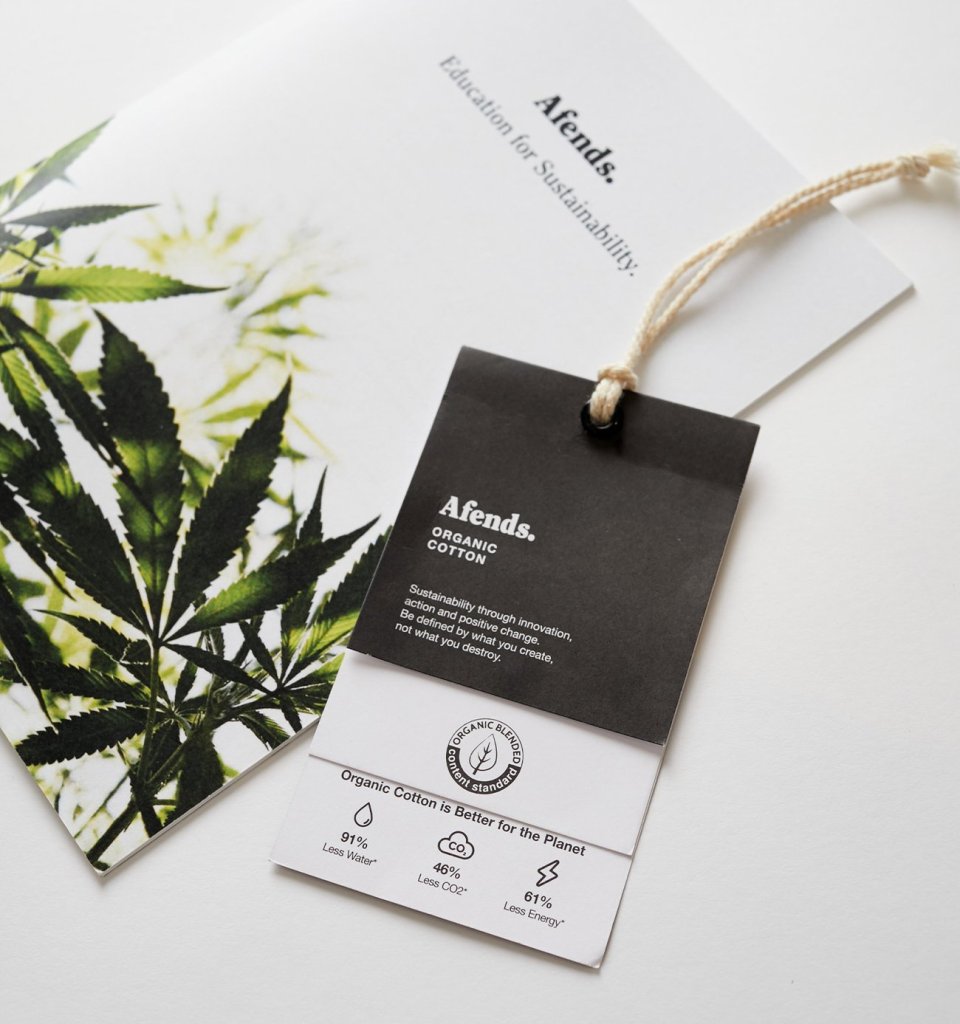
Afends chose to incorporate hemp into their fabrics because it’s renewable, doesn’t need pesticides, and requires less water and produces more fibre per acre than cotton.
Mud jeans is the worlds first circular denim brand. This means that instead of their jeans ending up as waste, they re-enter production after use. Their goal is to design the first jeans made from 100% post-consumer recycled cotton, however, at the moment they are at 40%.
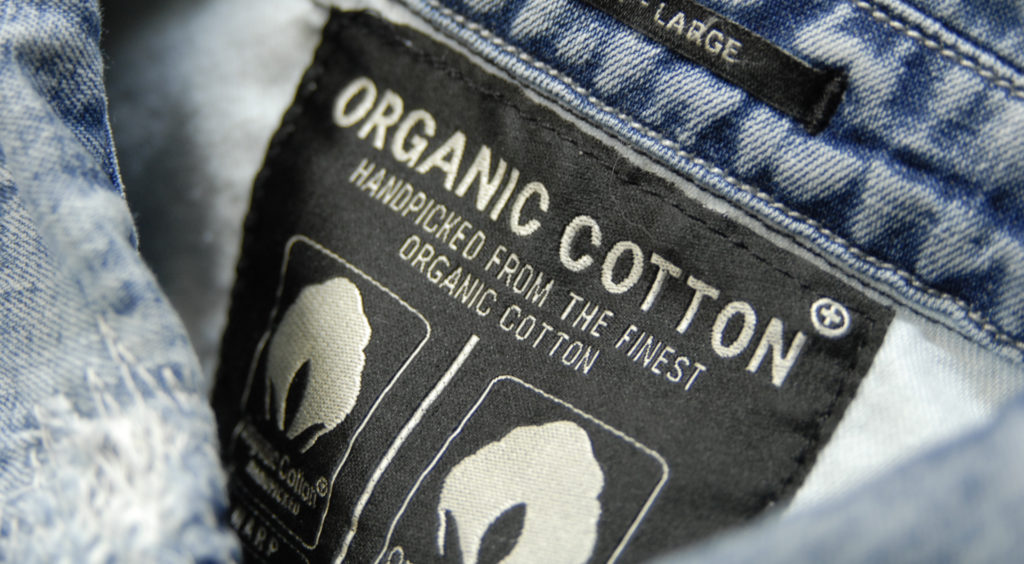
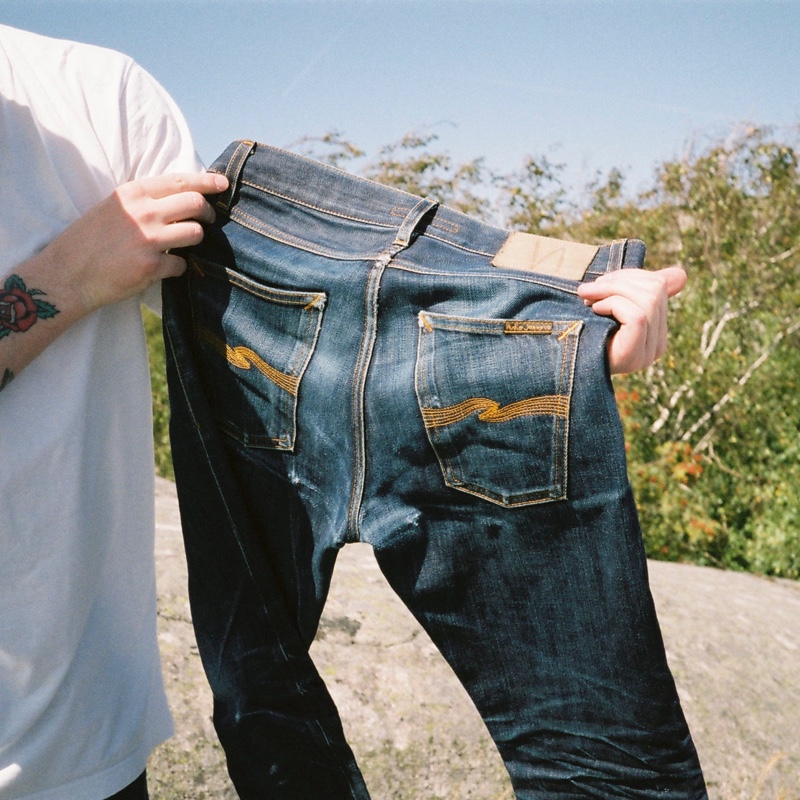
Nudie Jeans denim, made from 100% organic cotton, was created with a sustainable vision in mind. They remain very transparent with their supply chain. In many countries that supply them with materials, Nudie Jeans makes sure they pay living wages to their workers, especially in countries where national minimum wage is less than the cost of living.



 The Educated Consumer