
Earth Day is a great reminder to take action to protect our planet. Many people may start by planting a tree or recycling. But a reminder that is set for once every year is not the most productive way to get things done. A better idea for Earth Day is to somewhat resemble New Years. Think of a goal you wish to accomplish in the upcoming year and stick with it. A goal that you can work on everyday will help you create a habit. Earth Day can inspire a new eco-friendly habit or a single lifestyle change.
The Educated Consumer believes that there is a new era among us of people who want to become more eco-friendly. According to Forbes, 77% of people want to learn how to live more sustainably. The Educated Consumer is here to help turn “I want” into “I am”. Starting a new habit can be the first step to a more sustainable lifestyle.
10 ideas for habits you can start
1. Skip meat at least one day a week
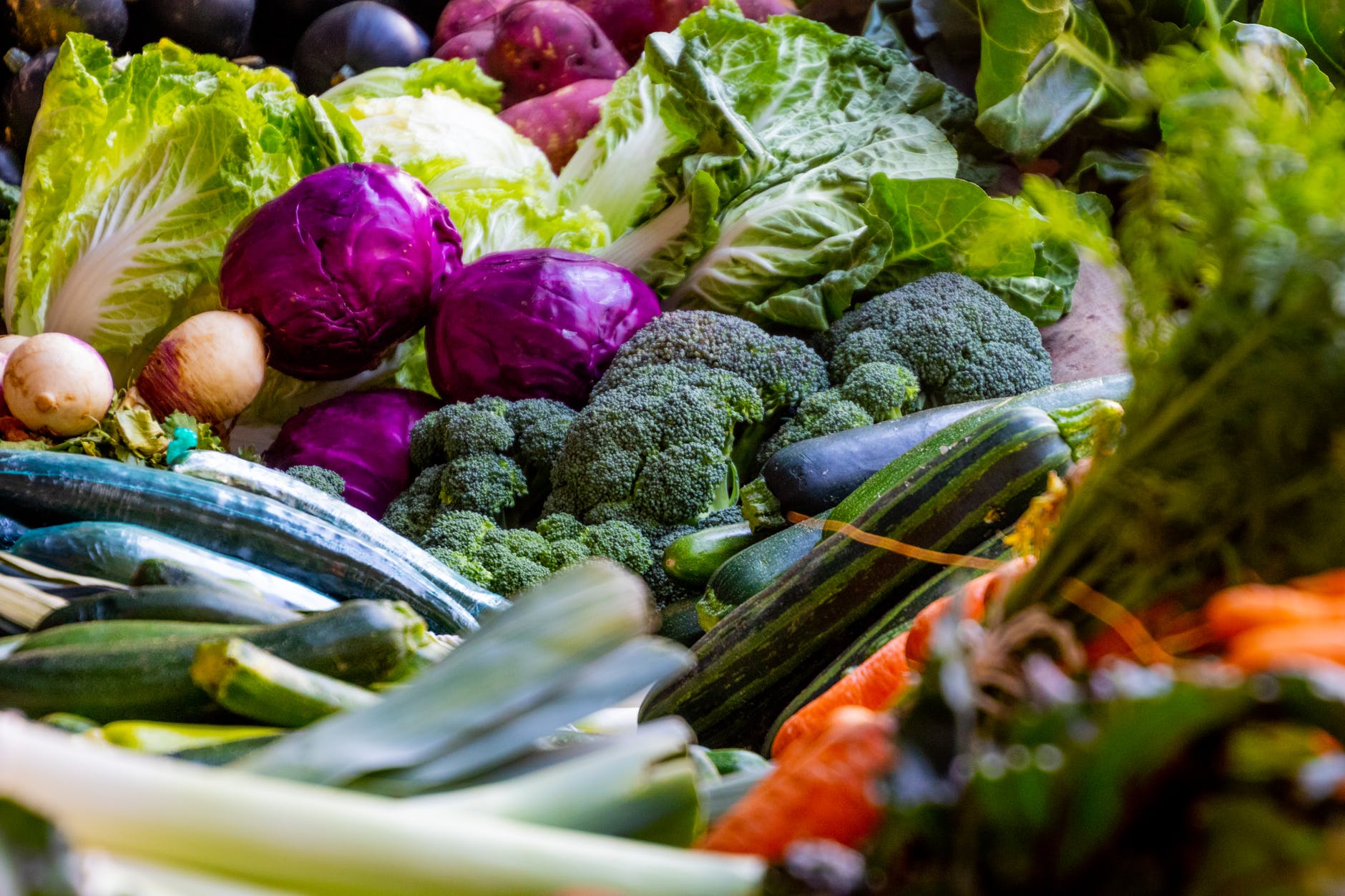
Raising meat takes much more energy than fruits and vegetables. Did you know it takes 1,847 gallons of water to produce a single pound of beef! But when you do buy meat, the best tip is to get it locally sourced. Skipping meat for just one day out of the week can help prevent heart disease and will increase natural nutrients, minerals, and fibre in your diet while reducing man-made, high-saturated, chemical-filled meat. It will take you on the path towards a healthier and more natural diet. The United Nations also found that more than half of the world’s crops are used to feed farmed animals, not people! That is a very unsustainable way to feed nearly 8 billion people and could instead be used to feed the 1 billion of whom go hungry. Eating crops directly is much more eco-friendly.
2. Buy locally sourced foods for your weekly meals

The consumer, grower, and the community are all benefited by a consumers choice to buy locally. Money spent on local farms is reinvested into your community. Also, when you buy locally you can ask about practices used to harvest crops. Imported foods have many more steps for transportation which blurs how and where food was made. You can use the Local Harvest Directory to find farmers selling directly to consumers near you. The National Sustainable Agriculture Coalition also has a National Guide to Finding Local Food where you can find specific state resources.
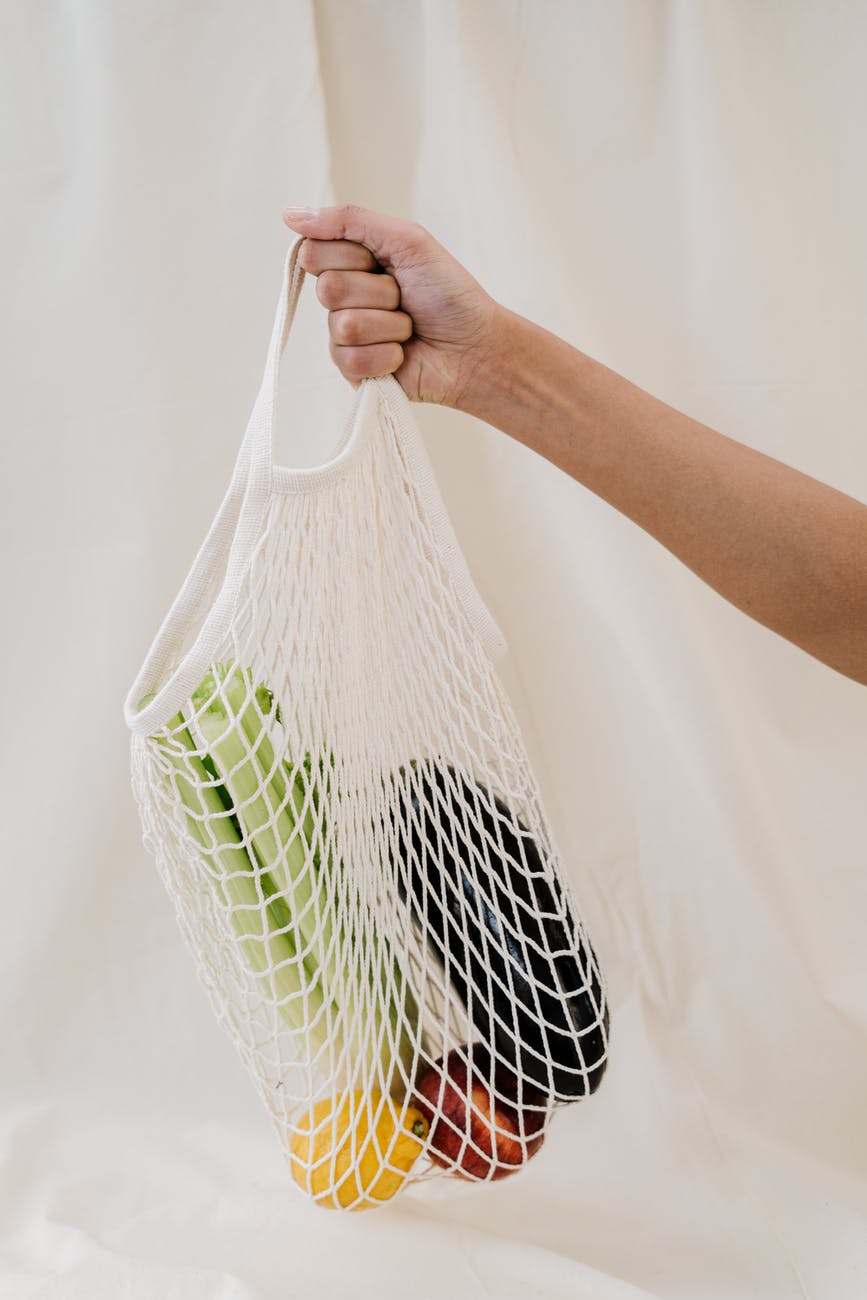
3. Use reusable grocery bags
4. Invest in a reusable water bottle
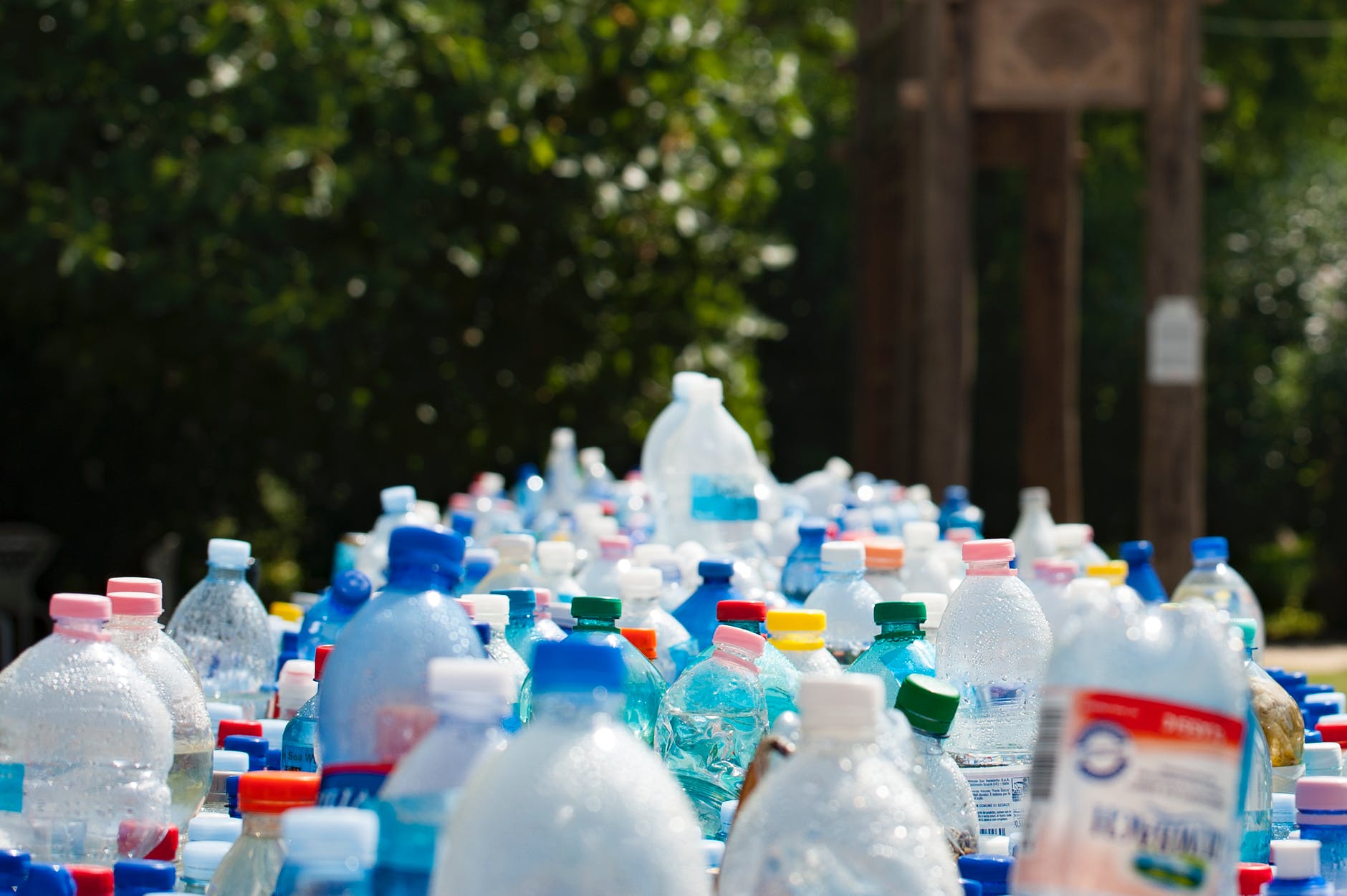
Not only are reusable water bottles better for the environment, but they may also be better for you. Plastic can contain harmful chemicals like BPA which can leach into water. Stainless steel and some BPA free reusable plastic water bottles will not contain BPA. A family of four who switch to reusable water bottles would save 27 gallons of oil a year and would be saving fossil fuels.
5. Buy reusable drinking straws
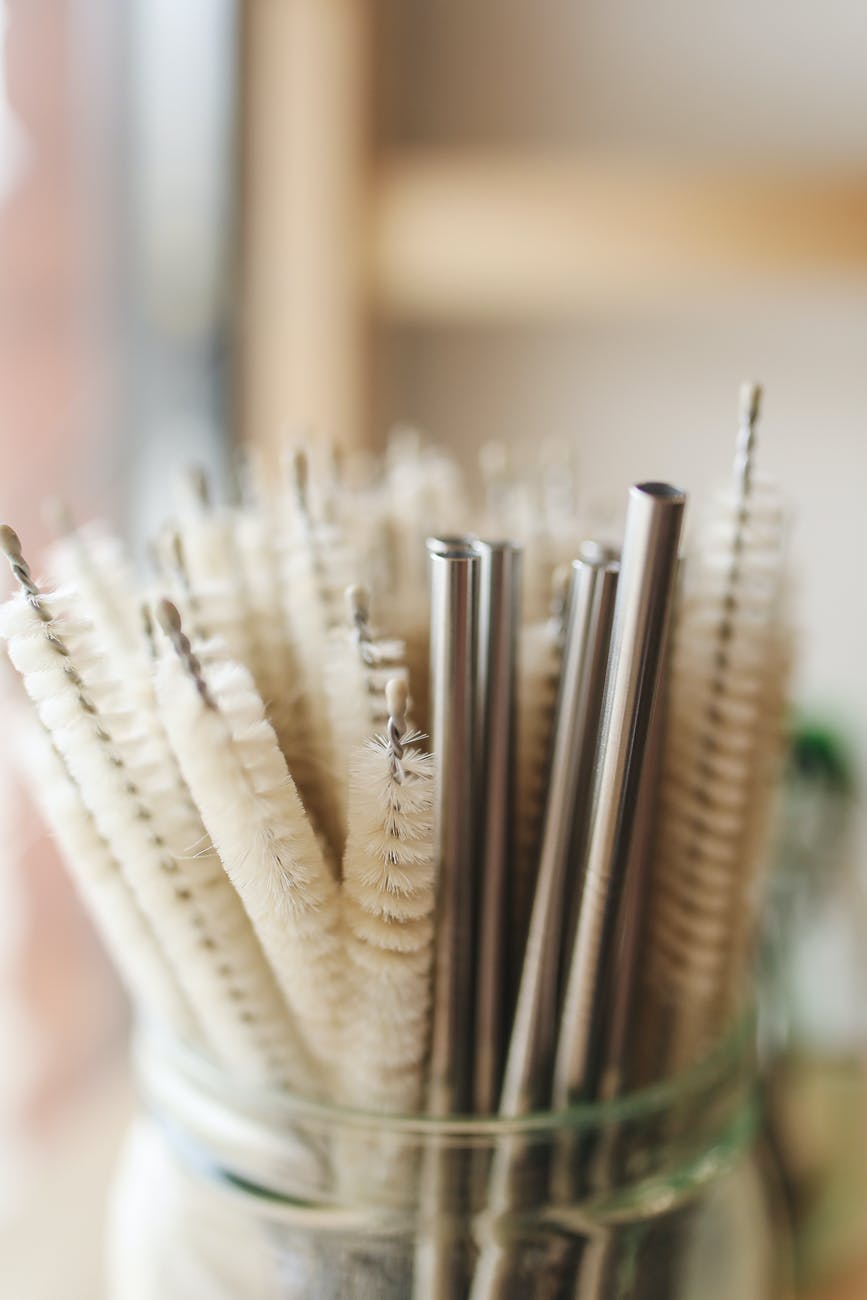
Ecocycle.org states that “Based on the national average, each person in the US will use approximately 38,000 or more straws between the ages of 5 and 65.” But buying just a few reusable straws to put in the car, bags, or leave at home could drastically decrease the number of straws used in the upcoming years.
6. Switch to cloth napkins
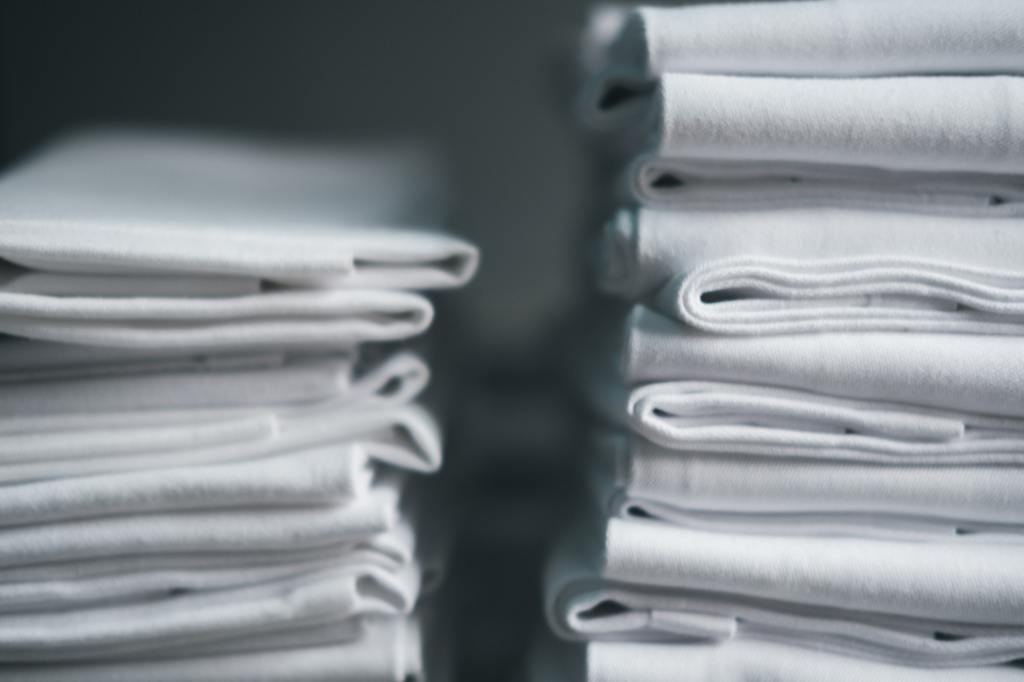
Swapping disposable items for reusable ones is always a good idea. Even if you run a separate load of laundry for. then napkins and you buy more expensive ones, the outcome is still better in the long run. Even better, you could buy enough washable napkins to make up a whole load or you can just toss them in with a clothing load. Choosing organic cotton material will additionally reduce the environmental impact of napkins.
7. Start a compost
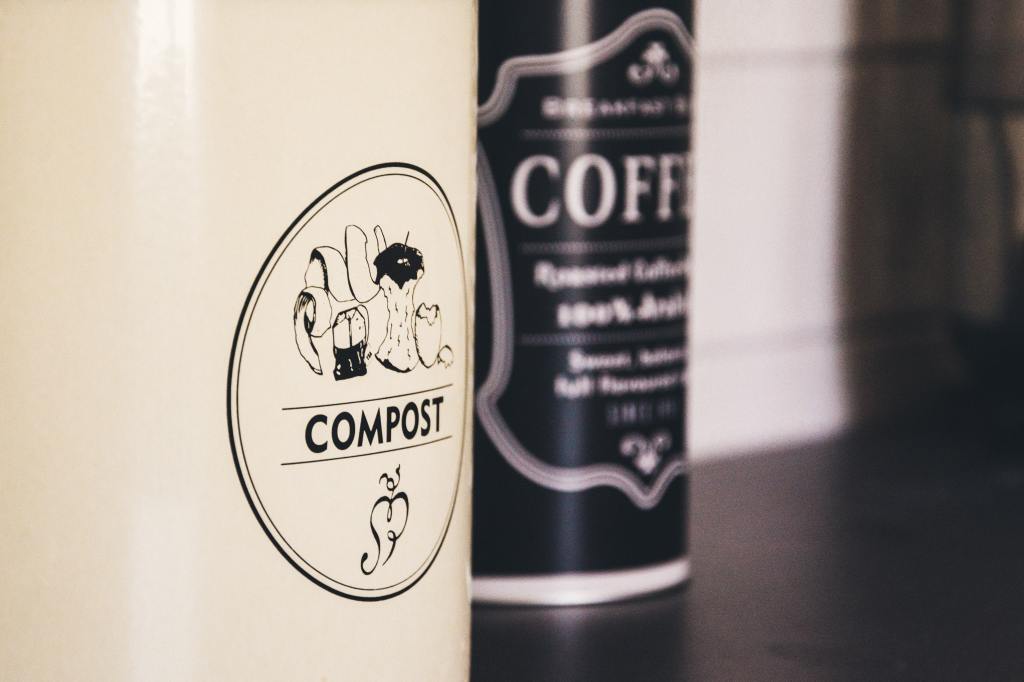
Biodegradable sraps that we often throw away can be of much better use when put in a compost bin. A composting pile or pail decreases the amount of trash sent to landfills and also minimizes the output of methane. If you live in a city or do not have the room for a compost pile/bin, there should be compost pick-up or drop-off services near you.
8. When you can, hang dry clothing
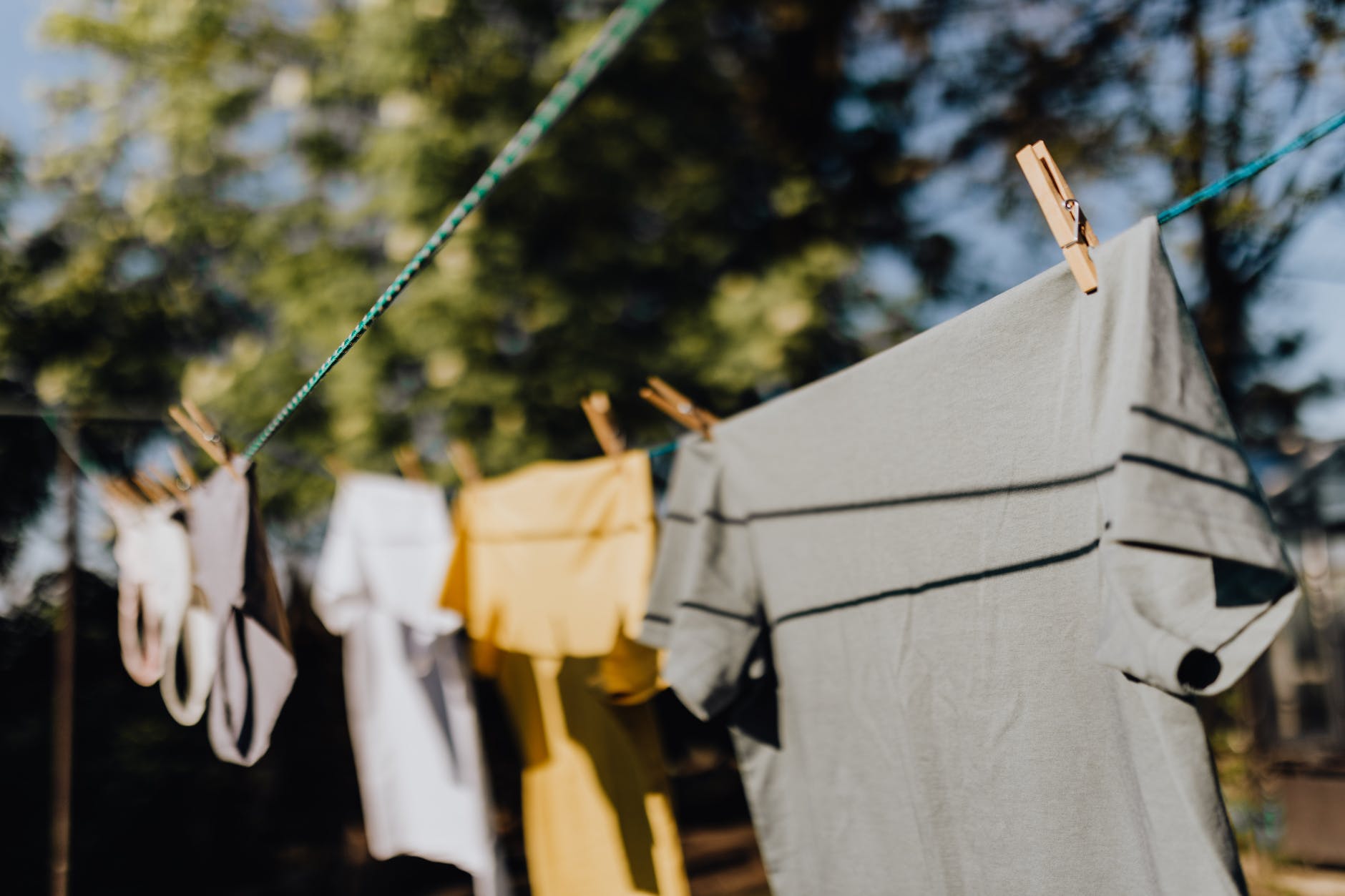
Ditch the dryer occasionally. It can be easier to hang clothes outside in the summer time. But for the winter, you may not have enough space to dry all your clothes around your house without having clothing draped on every open wall. So here is what you can do to fix that. Instead of having one specific wash day for a week of clothing, switch to doing a load of laundry a day. Now it won’t take a whole day to wash all your clothes and you will have more room to dry clothes each day. Find one area to designate for hang drying clothes so that a habit can form.
9. Shop smart, research brands, and thrift
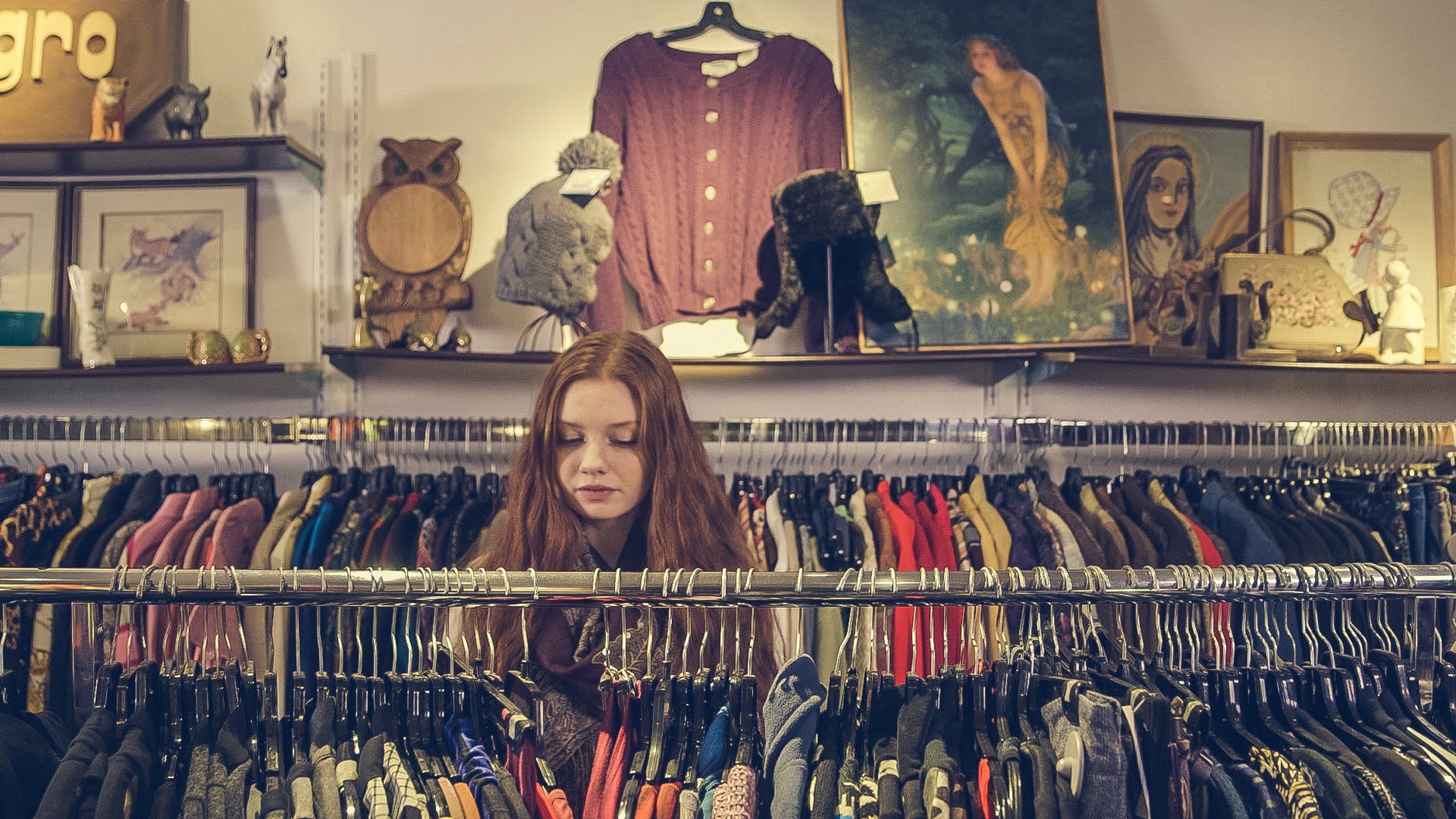
Make sure that brands you shop with hold the same values you do. Research where brands clothing comes from and if it is made fairly with sustainable materials. Does the brand donate any percent of the profit to charity? When buying online, does the brand have eco-friendly packaging? If you find it challenging looking for a honest and eco-friendly brand to buy clothing from, thrifting is always a great option. If you have time, it is always a good idea to go through your own closet and see if you can donate anything to a charity or thrift store.
10. Check often for home maintenance repairs

Get into the habit of checking fixtures and appliances around your home regularly. A minor repair now can add up in the long run. Cracks or gaps in windows could cause hot or cold air to leek out of your house, raising your bills. Leaking pipes and broken or old fixtures can be costly if not dealt with. For example, LED lightbulbs use 25 percent to 80 percent less energy than regular ones and can last up to 20 times longer. Updating fixtures or appliances can improve the efficiency of your home and decrease the amount of resources it uses from the environment.
When you focus on a habit throughout the year, you can build a routine. I challenge you to find a new habit you can adapt and see if it turns into a routine by the next Earth Day. Many of these ideas may be small, but as you build more eco-friendly habits they can all make a difference. Take the challenge, share it with your friends and family, and see the positive effect it has on you and your environment.
 The Educated Consumer