Tag Archives: featured

Chronicles of a Colorado kid during the water crisis

A personal essay about the relationship between water and a young girl

My life starts where the Colorado river begins. At its headwaters, I grew up among meadows of wildflowers and crystal clear water. I grew tall with the trees that sprouted each spring in my yard. My neighborhood was home to many families; by families I mean the families of elk, eagles, deer, and bears. I made finger paintings of butterflies and odd looking mushrooms I found in the woods. As I grew up and began to travel more, I became greatly interested in what was downstream. At age 7, I was told that downstream makes up about 1,450 miles. That number meant nothing to me as a child and still is unfathomable to this day. The vastness of distance came into view when I started exploring the West with my own eyes. I was conflicted by the popular view that the river was simply just a resource for water to many cities and the people within them. To me, the river will always be another living thing among me and my family. 

It is a long process to get to know a river; you can’t just take it out to dinner and ask about its life story exactly. It takes patience, curiosity, and persistence but more so some good sunscreen, hiking shoes, and a few boring summer breaks. Through my problem solving and pesky question asking as a kid,  I found out that the river doesn’t look how it’s supposed to when you get further downstream. It’s dried up and doesn’t run into the gulf like it once did. And I was on a trek to figure out why. Any map will show you that seven states rely on this river: Colorado, New Mexico, Utah, Wyoming, Arizona, California, and Nevada. Man made aqueducts and dams bring the water to places hundreds of miles away from the river. The All-American Canal is an 80 mile long aqueduct bringing water to the Imperial Valley of southern California and is the only water supply for the Imperial Irrigation District. Without water rights to the Colorado River, this productive agricultural region would turn back to a barren desert, affecting the food supply for all of California. The river has many more “stories” than I assumed and it affects more places than I could possibly ever travel to by myself. Some effects I have seen with my own eyes are from two of the rivers largest reservoirs, Lake Mead and Lake Powell. Here I was able to see the reality of what was wrong. I have visited these lakes yearly and each time it’s been lower than the trip before. Memory of a full and replenished lake leaves behind “bathtub rings” hundreds of feet above where water currently sits. Water tells a story. And this story is of what once was. 

The Colorado River water crisis should be a state of emergency. Water is necessary for all life. And it’s becoming increasingly clear that we are running water dry. According to the 2022 study in the journal nature climate change, the southwest is experiencing its driest period since year 800. That’s a whopping 1,200 years. The journal takes into account the last 22 years, concluding that less soil moisture and runoff are only the beginning warning signs. Areas that were once abundantly green and thriving are now having droughts and are more susceptible to wildfires. Hot and dry winds in 2020 started the Grizzly Creek fire in the Colorado Glenwood Canyon, evacuating my family and many others. This area is known for cool temperatures, river recreation, and skiing however that did not stop the fire from burning over 32,000 acres. The main highway running through Colorado, I-70, was closed for two weeks, the longest closure in its history. I heard many people say “It just happened to be a particularly dry month.” I never quite thought that way. The area needed more water and it was used to more water. Once there is a lack of water in the soil and brush, fighting the fire becomes much more difficult. The fire lasted four months. We didn’t need more water, more water needed to be left alone. I encourage you to think like two environmentalist writers, Figueres and Rivett-Carnac, who propose that we should “read each scenario not as a prediction of the future but as a warning of what may come and what we still have a chance to change.” Wildfire risk will be a prevalent future event unless we change our water usage habits. Like the title of their book entails, it’s all about The Future We Choose

Everyone can build new habits but it is what we do collectively that produces change. This idea has been sparked in a few cities down farther along the river, one particularly being Las Vegas, Nevada. I visited family there often as a child and was always shocked that this huge metropolis was located in the middle of the desert. And it all comes back to the Colorado River water, specifically Lake Mead that makes living there even remotely possible. Nearly everyone has adapted to a friendly water usage lifestyle. They have seasonal water restrictions and schedules that limit landscape irrigation, homeowners replace grassy lawns with water efficient landscaping and drought-tolerant plants, and water waste is encouraged to be reported, corrected, and reused or returned to the Colorado River. After asking my family who lives there about how big of a change this must have been, I was surprised to find that it was no big task to give up some water here or there. They didn’t even realize how much was being wasted. The funny thing seems to be that nobody is complaining about how their life is now. Landscaping is more self-sufficient than ever, saving time and money for homeowners but also keeping water in the river where it belongs. Water efficiency throughout a whole city is the type of big collective action we need. We must all free our minds from its wasteful habits because The Future We Choose is right again: “Thinking outside established patterns is a radical act for preserving our collective freedom.” Our water sources have never been endless, it’s just the fact that we are only becoming affected by it now.

“It is a long process to get to know a river; you can’t just take it out to dinner and ask about its life story exactly.”

Humans are short term problem solvers; when it comes to a long term problem, we rarely act unless we’re currently being affected. Why is this? It goes back to animal instinct to detect present danger. In an op-Ed in the Las Angeles times, Harvard psychologist Daniel Gilbert emphasized global warming as a threat to humans largely because it does not trip our brains alarm even when our world may be burning around us. Issues like climate change and the water crisis do not cause the same reactions as threats like terrorism. In order to shift our mindset, we must humanize the water crisis and make it a morally reprehensible action. Megadroughts should be described with he/she/it pronouns as if some thing is really attacking our water supply. Get to know your river or local water sources as if you really are taking it out to dinner and asking about its life story. Users of this natural source must also maintain their water ethics. If we continue to be bystanders to the water crisis, not only will physical droughts pursue, but moral droughts as well. Water stewardship is built on ethics and it is time we all reflect on what we’ve been doing or not doing to fulfill these moral obligations. I, for one, refuse to believe in a reality where the end of my life coincides with the end of the Colorado River.
The Real Cost of Fast Fashion

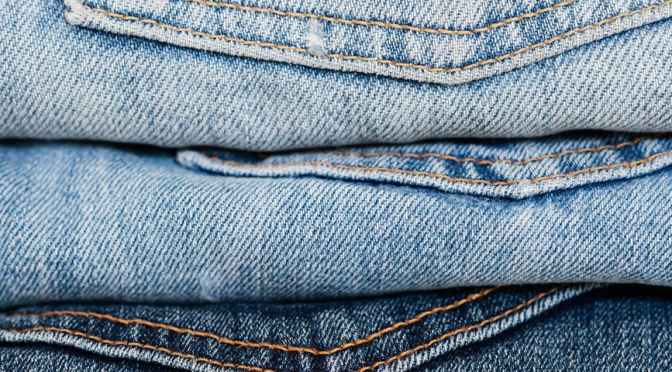
Look up the term “fast fashion”. What are the first images that pop up? There may be pictures of mass produced, trendy and cheap clothing, pumped into stores for the consumers convenience. But what most people do not see is how it contributes to over 10% of global carbon emissions. They don’t see the dump where 85% of all textiles go each year. They don’t see the fibers impact on freshwater withdrawal or the 2000 gallons of water used to produced one —yes only one— pair of jeans. This totals at more energy used than maritime shipping and international airlines combined. The cost of fast fashion goes far further than the price-tag.

“The cost of fast fashion goes far further than the price-tag.”

Environmental Effects

Microplastics

It is estimated that synthetic microfibers that are found in textiles and are sizable to a strand of hair are the cause of 35% of the microplastic pollution in the ocean. Textiles is the largest single source contributing to microplastic pollution, emitting 2.2 million tons of microfibers into the ocean each year, or the weight of 440,000 elephants.

Social Impact

Extremely cheap prices mean some cost is being cut in a business so that they are still producing a profit. Oftentimes wages are cut, workers may be put in dangerous conditions, or there is child labour. In South India, the Sumangali scheme is a practice that sends young girl to work in textile factories as bonded labor for low wage or to pay off a debt. Girls live in poor conditions and are mistreated and abused.

Energy

Fast fashion uses more energy just like how accelerated driving wastes more gas. Polyester and cotton are commonly used in fast fashion. Polyester is usually derived from petroleum which is one of the most difficult raw materials to trace back to its source. 2015 data estimates 262% more CO2 is emitted in producing one polyester shirt compared to a cotton shirt. Recycled or renewably sourced polyester (biosynthetics) have more transparent supply chains compared to virgin polyester.

Look for. . .

  • recycled materials– nylon, polyester, cotton and wool
  • organic materials- linen, hemp and cotton
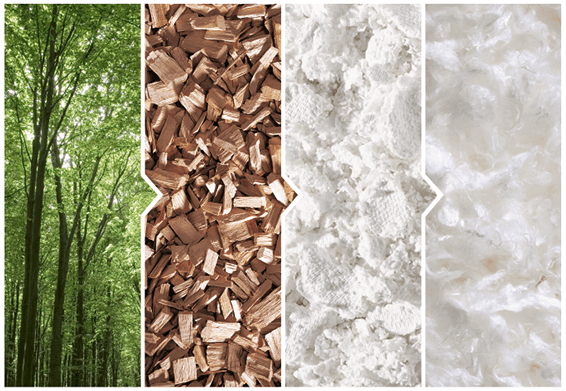
  • tencel (made from wood)
  • monocel (made from bamboo)

5 Ways To Fight Fast Fashion

1. Look for Transparency

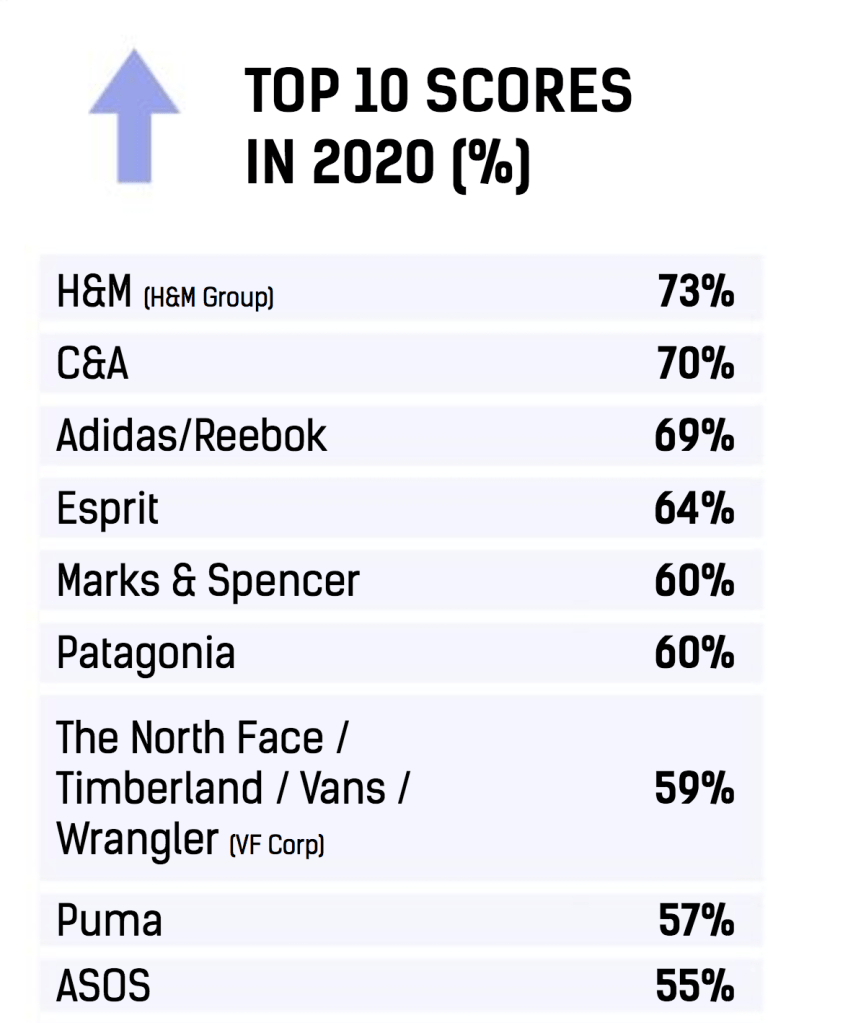
The fashion transparency index, made by Fashion Revolution, is a ranking of 250 large fashion brands on transparency of their social / environmental policies, practices and impacts. It encourages brands to share more information to consumers.

This index is not an indicator of sustainability or the ethics of brands. It is just their level of transparency. Fast fashion labels can be transparent while continuing poor working conditions or unsustainable practices. Vice versa, brands who are not transparent may still use ethical policies. Transparency enables consumers to make more informed decisions about purchases. Buying from transparent brands will reveal and allow us to address systematic problems in our supply chain.

2. Quality Over Quantity

Fast fashion often is made from cheap fabrics that will not last long. A quality piece of clothing will be cheaper in the long run and can be worn for a longer period of time. Get the best value by buying something that is made to last.

3. Have Your Own Style

Current trends could go out of style next week. To make sure you actually wear what you buy more than once, make sure the majority of your wardrobe is staple items and items that are your personal style. Buy what you love, not what fits in line with a trend.

4. Shop like an Educated Consumer

Check out The Educated Consumer’s Fashion Directory to find our list of ethicals and sustainable brands that are committed to transparency.

5. Resell or Donate

Plenty of companies allow you to sell clothing online or in store. Consider donating your clothes to thrift stores like Salvation Army or Goodwill. Vietnam Veterans of America also accepts donations of clothing or household appliances. Click the link below to see if there is a drop-off location near you or to schedule a pick-up. Another organization that helps with reducing the effects of fast fashion is The American Red Cross who has partnered with GreenDrop re-sell donated clothes to thrift stores to benefit the Red Cross. Find a drop-off location near you or schedule a pick-up by clicking the link below.

Thanks for reading!

Join the family of educated consumers.

Sustainable & ethical fashion starts here

Personal Stories

Chronicles of a Colorado kid during the water crisis Shared stories among friends (upcoming) Outdoor Adventures (upcoming)

Keep reading

What’s Your ‘Foodprint’

Many environmentalists emphasize the issue of the average person’s footprint. Acknowledging your actions is one thing, attempting to do something about them is another. It is quite overwhelming to even ponder how you can change your footprint. So instead, let’s take a small chunk of that footprint and attempt to modify it. Momentous change starts with small steps.

Our Interests

This month’s recognized company is GRACE Communications Foundation who created the project Foodprint. Their goal is to reveal the impact of industrial food production practices and shift to the benefits of more sustainable food production and consumption. They work on educating consumers so they can take action towards change in the food system. Whether you’re dining out, cooking in, reading food labels, growing food, composting, or shopping, Foodprint is a great resource to use first. To explore their website and find out what your “Footprint” is, check out the link below.

Cooking at Home

Photo by cottonbro on Pexels.com

By choosing to cook at home, you can be sure of where your food is coming from. Foodprint has many articles showing at-home cooks how to use food for all of its worth. They teach consumers how to use the whole vegetable or the whole chicken to reduce food waste. Foodprint says that “by learning to use your food for all it’s worth, you’ll be eating more delicious food, saving money and making decisions that are better for the environment, animals and people.”

Shopping Sustainably

Photo by Daria Shevtsova on Pexels.com

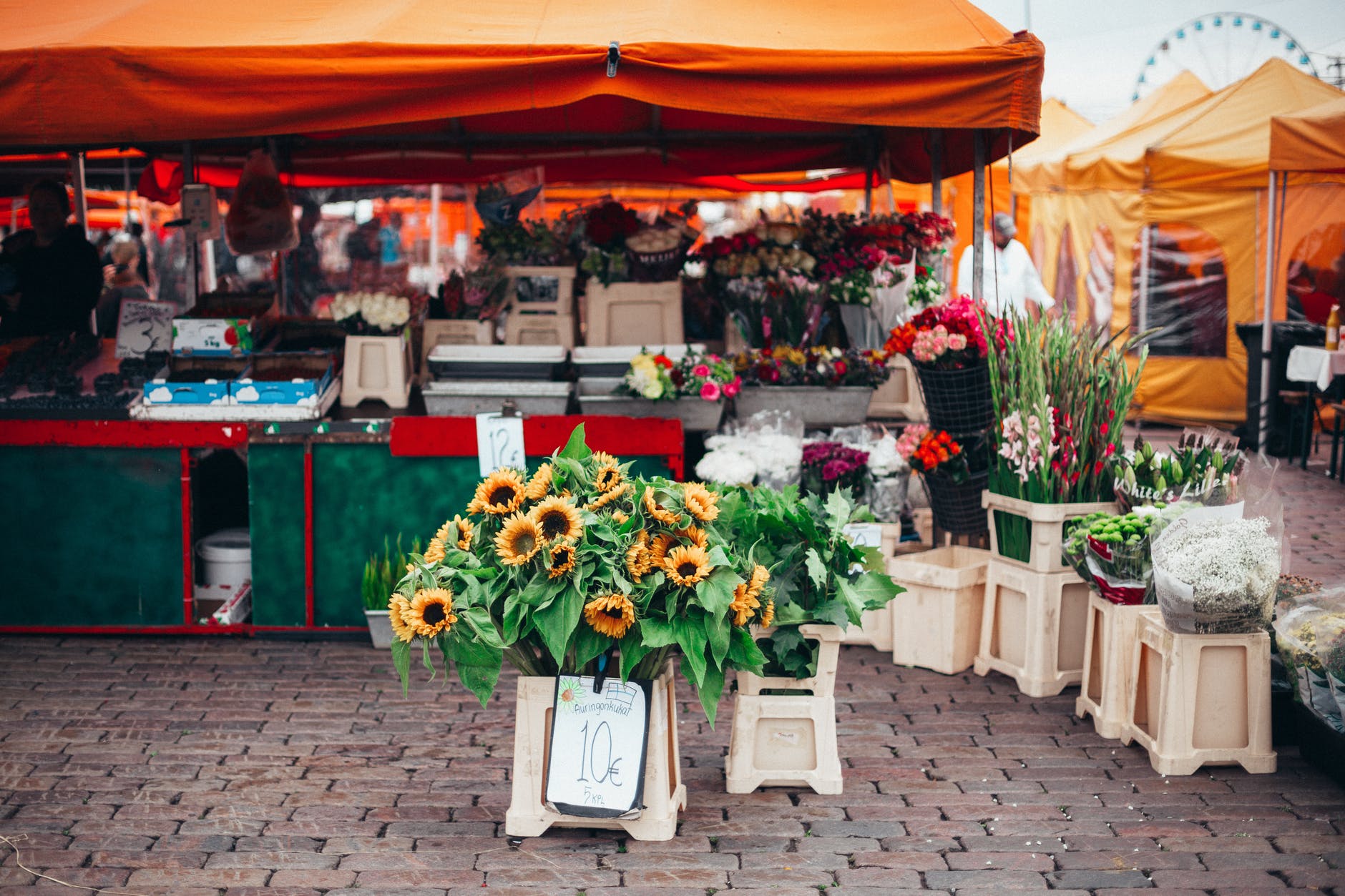
Whether you are at a supermarket, farmers’ market, or talking with a fishmonger, there are questions you should be asking about the food you buy. Foodprint can help you out with their seasonal food guide. Picking seasonal food is important because it usually tastes better, can be more nutritious, and supports local farms and food systems. They also have an app you can use while you are shopping. Foodprint makes it very easy for you to be an educated consumer.

Food labels can often be confusing for the average consumer, but they are very valuable to recognize nutrition, animal welfare, fair wages, and sustainability. Foodprint offers a food label guide. Some products with labels like “natural” do not guarantee the sustainable habits you may be looking for. This is why understanding the labels requirements can be a very helpful indicator of a truly sustainable good.

Dining out

Photo by Adrienn on Pexels.com

Surprise, surprise! Foodprint can also help you find sustainable restaurants, ask questions about the menu, and teach how to reduce food and packaging waste. It’s important to remember how to find seasonal food on the menu. What is your location? Are you by the ocean? Does the server mention any specific seasonal dish from local farmers? Here is another use for Foodprints seasonal food guide.

Many restaurants are also Certified USDA Organic, Certified Green Restaurants, or are a Zero FoodPrint business. These specific labels are accurate indicators of a restaurant that uses sustainably sourced foods, minimizes food packaging and food waste, and reduces water usage. Foodprint also recommends consumers to use ROC’s National Diner’s Guide to locate “high road” restaurants. “High road” restaurants have committed to better wages, benefits, and promotion opportunities for their workers.


The Educated Consumer is happy to see Grace Communications Foundation take on such a needed project. We highly recommend foodprint.org as a source for issues on food justice and sustainability as well as a resource consumers can use to make sense of food.

2020 Election: Prioritizing The Environment

In a year of record wildfires, catastrophic hurricanes and other calamitous natural disasters, climate change could not be ignored in the 2020 presidential primaries. It previously had been a sideline topic, nearly disappearing from debates for two decades until this year. Washington Governor Jay Inslee and Tom Steyer both ran for President this year but never gained much traction though they prioritized the issue of climate change.

There is a lot at stake in the 2020 elections, for the people and for our environment. On Thursday, it was obvious the starkly different visions both candidates held. They discussed their plans for the climate crisis. Here’s what they said… or didn’t say.

The new president needs a vision toward a safe and healthy future that directly confronts corporate polluters. Biden continues support pushing away from oil and transitioning to renewable energy, anticipating millions of jobs to be generated, and getting rid of subsidies for fossil fuels. The President argued that these plans are costly and will harm the economy. These views could potentially sway the oil producing states that both candidates are competing for.

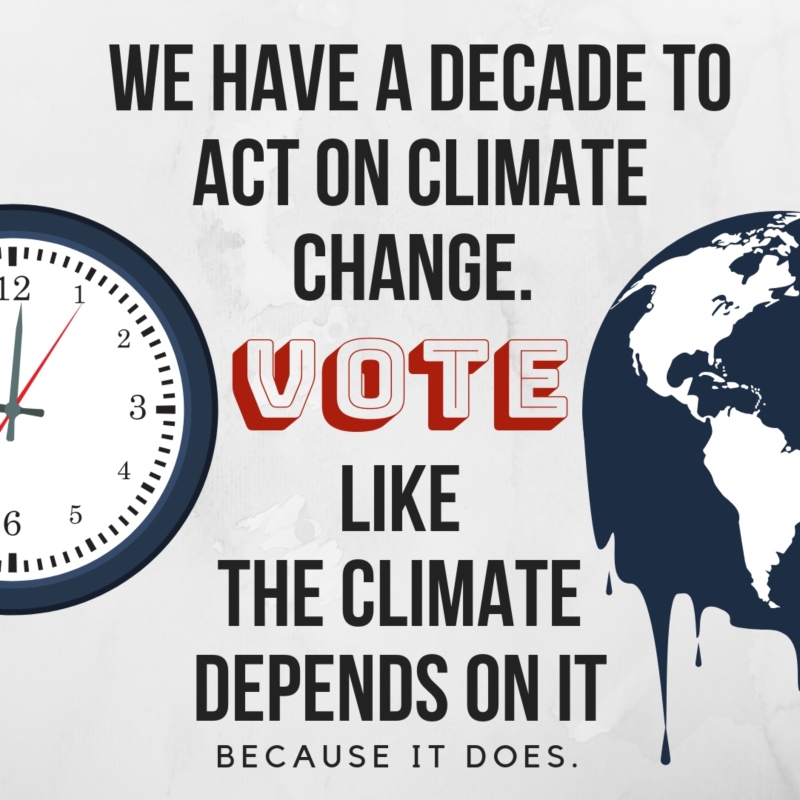
Biden agrees that climate change poses “an existential threat to humanity” and that in eight to 10 years, the country would “pass the point of no return.” “We have a moral obligation to deal with it,” he said. Scientists support this statement saying we must cut greenhouse gas emissions, mostly created from burning fossil fuels, in the next ten years to avoid irreversible damage. Trump withdrew the 2015 Paris climate agreement, a plan to stop the permanent damage to the planet, which Biden would rejoin. Trump says we would “have to spend trillions of dollars” and that he “will not sacrifice tens of millions of jobs, thousands of companies.” He was asked about the disproportionate burden that Americans of color face from exposure to pollution because they live near oil refineries or other toxic substance areas. He replied saying the health risks they face pale in comparison to the wage growth they’d seen from those polluting industries during his time in office. He did not discuss the health concerns of families at risk or the 100 environmental regulations his administration has dismantled, instead talking about jobs and money. Trump downplayed the extremity of environment racism. A 2018 federal report shares that low-income communities are disproportionately affected by climate change and are more exposed to environmental hazards. Biden discussed how the government needs to take action to repress the pollution created from fossil fuels stating that “The fact is, those front-line communities, it doesn’t matter what you’re paying them, it’s how you keep them safe.”

And there’s more… views on the biodiversity crisis

Conservation efforts are also dramatically needed in the fight against the biodiversity crisis. The UN reported that in the upcoming decades, rising temperatures, poaching, overfishing, farming, and logging could cause one million species to face extinction. The UN urges nations around the world to enforce conservation endeavors now. In his time in office, Trump has loosened wildlife protections to put economic activities first like drilling and logging. In Utah, he opened national monument land to allow mining and drilling operations. On the other hand, he signed the Great Outdoors Act, putting money into conservation and national park programs.

However, Biden still seems to be planning more for the environment. In his climate plan, he supported “protecting biodiversity, slowing extinction rates and helping leverage natural climate solutions by conserving 30 percent of America’s lands and waters by 2030.” Scientific American, the oldest and one of the most popular science magazines in America, has never endorsed a presidential candidate until now. They share their beliefs in their policy and ethics article, saying they have been compelled to share their support because Biden is “acutely aware that we must heed the abundant research showing ways to recover from our present crises and successfully cope with future challenges” while Trump has repeatedly rejected science and evidence that has lead to many of his dishonest and inept responses in office.

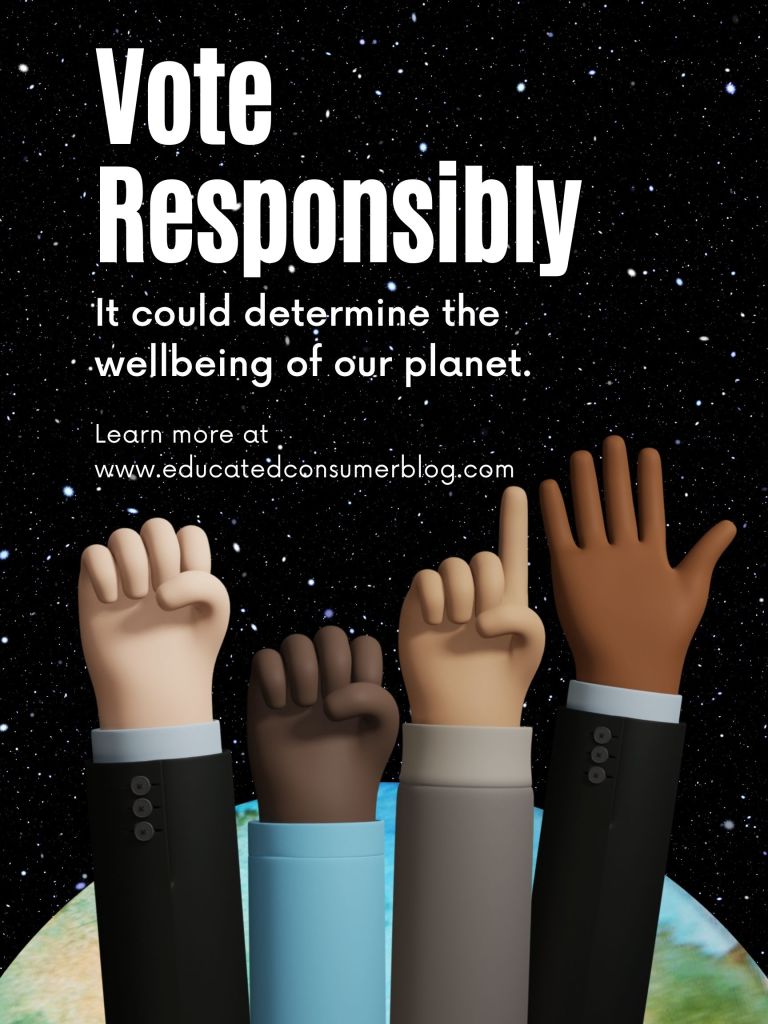
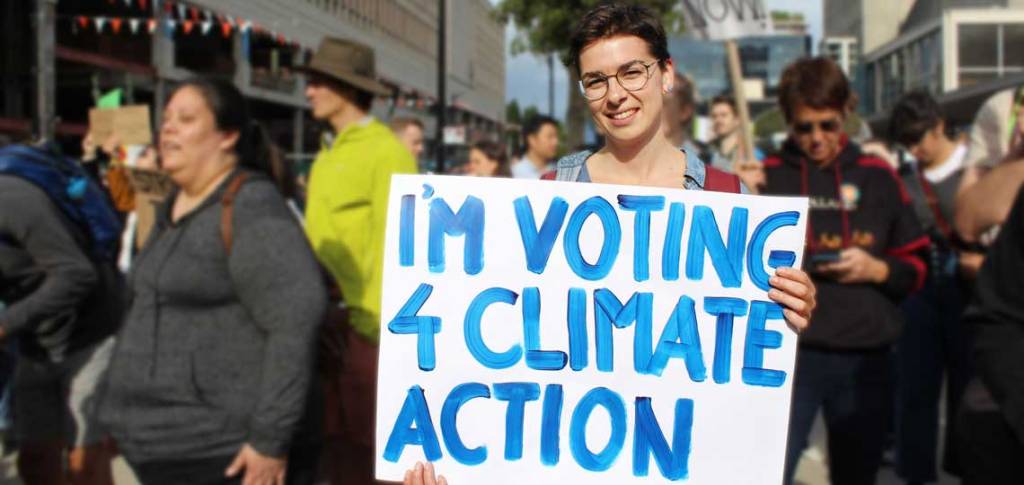
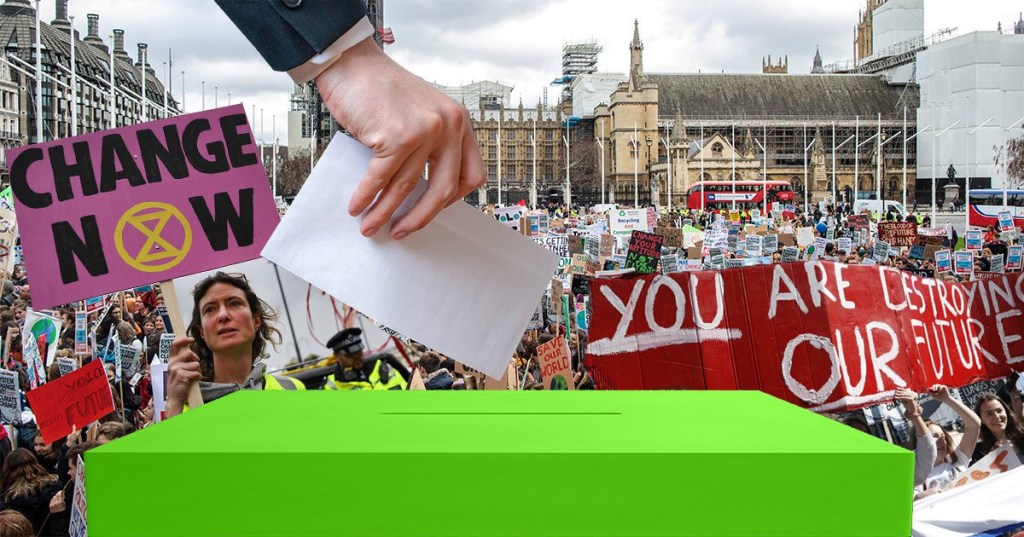
Climate disasters are affecting many communities and possibly their votes. There is a voter demand for environmental leadership. These demands and opinions influence policymaking. Politicians will discuss and support what their voters care about. Our society and the planet cannot subdue four more years of an administration that dismisses climate change and factual science. That’s why it’s crucial for you to vote and share your support for environmental leadership.

The environmental reaction of our President could ignite an energy revolution if backed by a plan to oppose fossil fuels and support an equitable green new deal. Greenpeace agreed that our country can accomplish these plans “by halting oil, gas, and coal expansion, phase out existing fossil fuel infrastructure, and center fossil fuel workers and climate-impacted communities in the transition to a renewable energy economy” and “by mobilizing our economy toward 100% renewable energy for all, creating millions of family-sustaining jobs, and securing a better future for communities that have borne the brunt of fossil fuel industry exploitation.”

Yet again, the enormity of climate change has been belittled by short-term concerns like the COVID-19 pandemic, jobs in the economy, and healthcare. “Climate is a long-term concern, as opposed to joblessness, which is today, or a pandemic, which is today,” said political scientist Larry Sabato, who heads the University of Virginia’s Center for Politics. Long-term interests are often swept under the rug for future generations to find, but that cannot be the case for climate change. We can’t procrastinate the wellbeing of our planet and assume we can fix it later. It takes time and the movement must start now. Each vote for a new administration is a vote toward dealing with this long-term issue; a vote towards our climate and our future.

These next four years of executive action could trigger a vast change in climate ideals and controls, in which could be the last chance we have to fix the damage made to our environment. The decision is up to us.

Please, Vote!

Message From The Educated Consumer

Our teams thoughts towards climate change sway our views in the election. This blog conveys our honest opinion and we made an effort to give a voice to both sides of the conversation. We appreciate everyone who acknowledges the importance of the environment in this election and our team at The Educated Consumer encourages you to go out and vote!

Earth Day, Every Day

Earth Day is a great reminder to take action to protect our planet. Many people may start by planting a tree or recycling. But a reminder that is set for once every year is not the most productive way to get things done. A better idea for Earth Day is to somewhat resemble New Years. Think of a goal you wish to accomplish in the upcoming year and stick with it. A goal that you can work on everyday will help you create a habit. Earth Day can inspire a new eco-friendly habit or a single lifestyle change.

The Educated Consumer believes that there is a new era among us of people who want to become more eco-friendly. According to Forbes, 77% of people want to learn how to live more sustainably. The Educated Consumer is here to help turn “I want” into “I am”. Starting a new habit can be the first step to a more sustainable lifestyle.

10 ideas for habits you can start

1. Skip meat at least one day a week

Photo by Magda Ehlers on Pexels.com

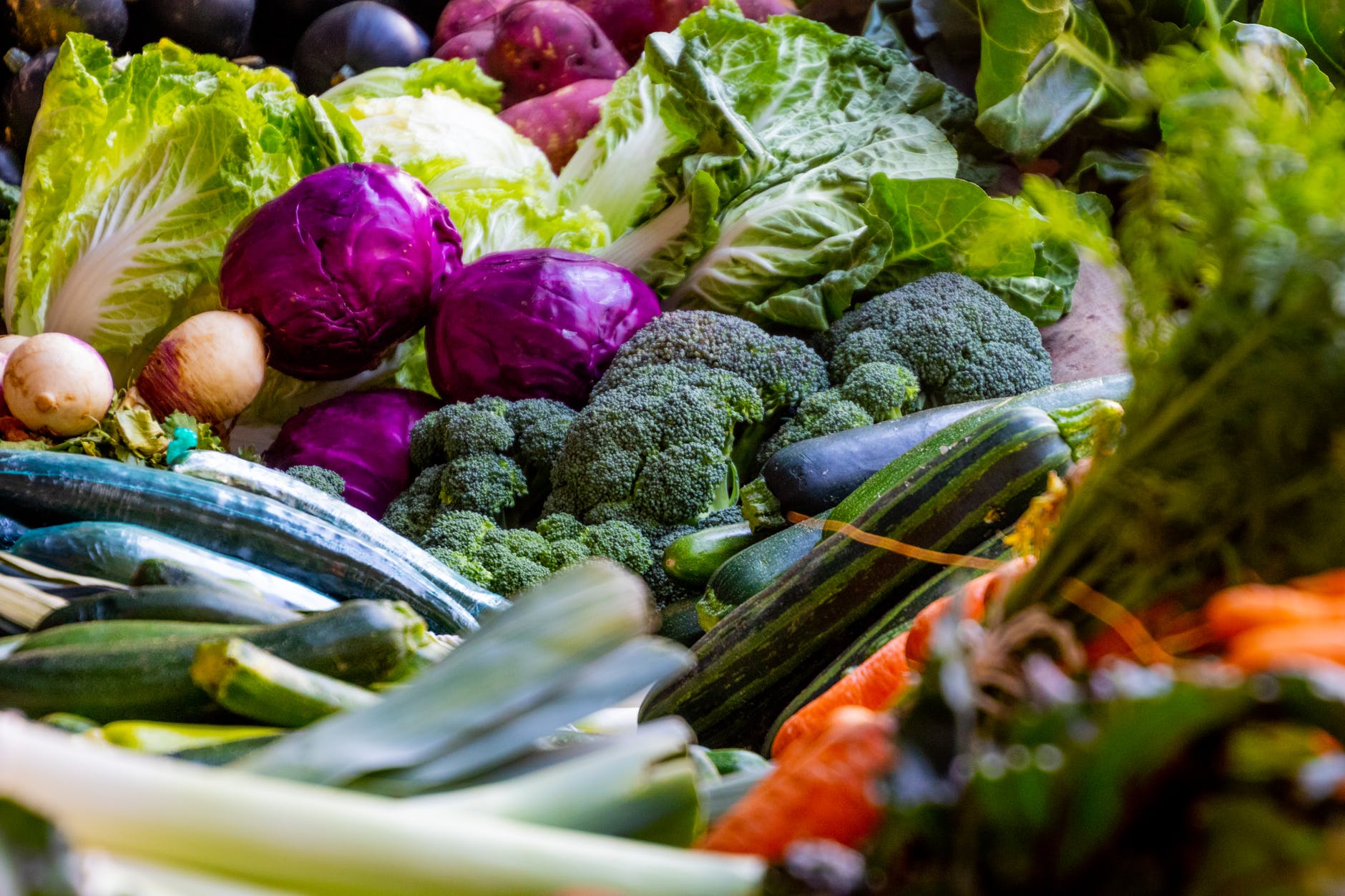
Raising meat takes much more energy than fruits and vegetables. Did you know it takes 1,847 gallons of water to produce a single pound of beef! But when you do buy meat, the best tip is to get it locally sourced. Skipping meat for just one day out of the week can help prevent heart disease and will increase natural nutrients, minerals, and fibre in your diet while reducing man-made, high-saturated, chemical-filled meat. It will take you on the path towards a healthier and more natural diet. The United Nations also found that more than half of the world’s crops are used to feed farmed animals, not people! That is a very unsustainable way to feed nearly 8 billion people and could instead be used to feed the 1 billion of whom go hungry. Eating crops directly is much more eco-friendly.

2. Buy locally sourced foods for your weekly meals

The consumer, grower, and the community are all benefited by a consumers choice to buy locally. Money spent on local farms is reinvested into your community. Also, when you buy locally you can ask about practices used to harvest crops. Imported foods have many more steps for transportation which blurs how and where food was made. You can use the Local Harvest Directory to find farmers selling directly to consumers near you. The National Sustainable Agriculture Coalition also has a National Guide to Finding Local Food where you can find specific state resources.

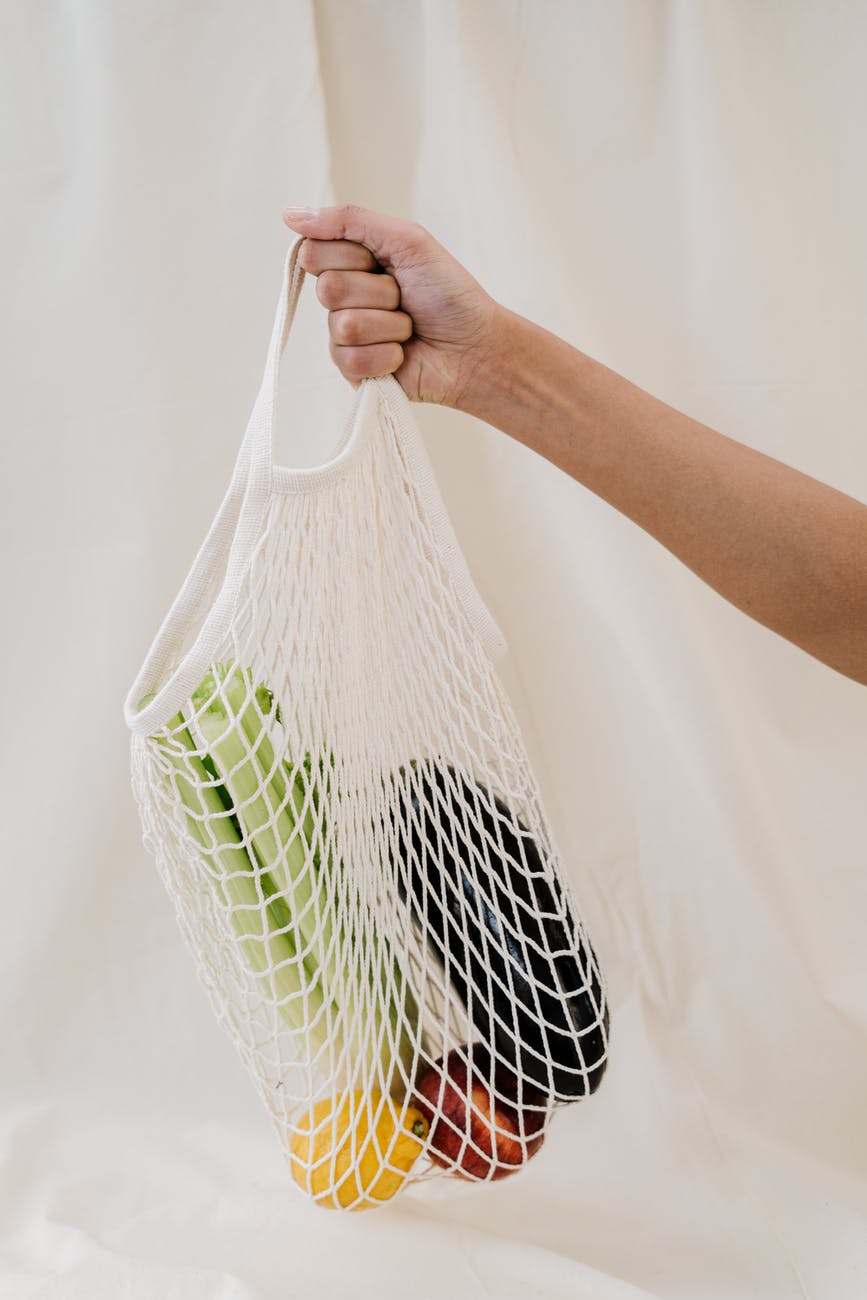
3. Use reusable grocery bags

Photo by cottonbro on Pexels.com

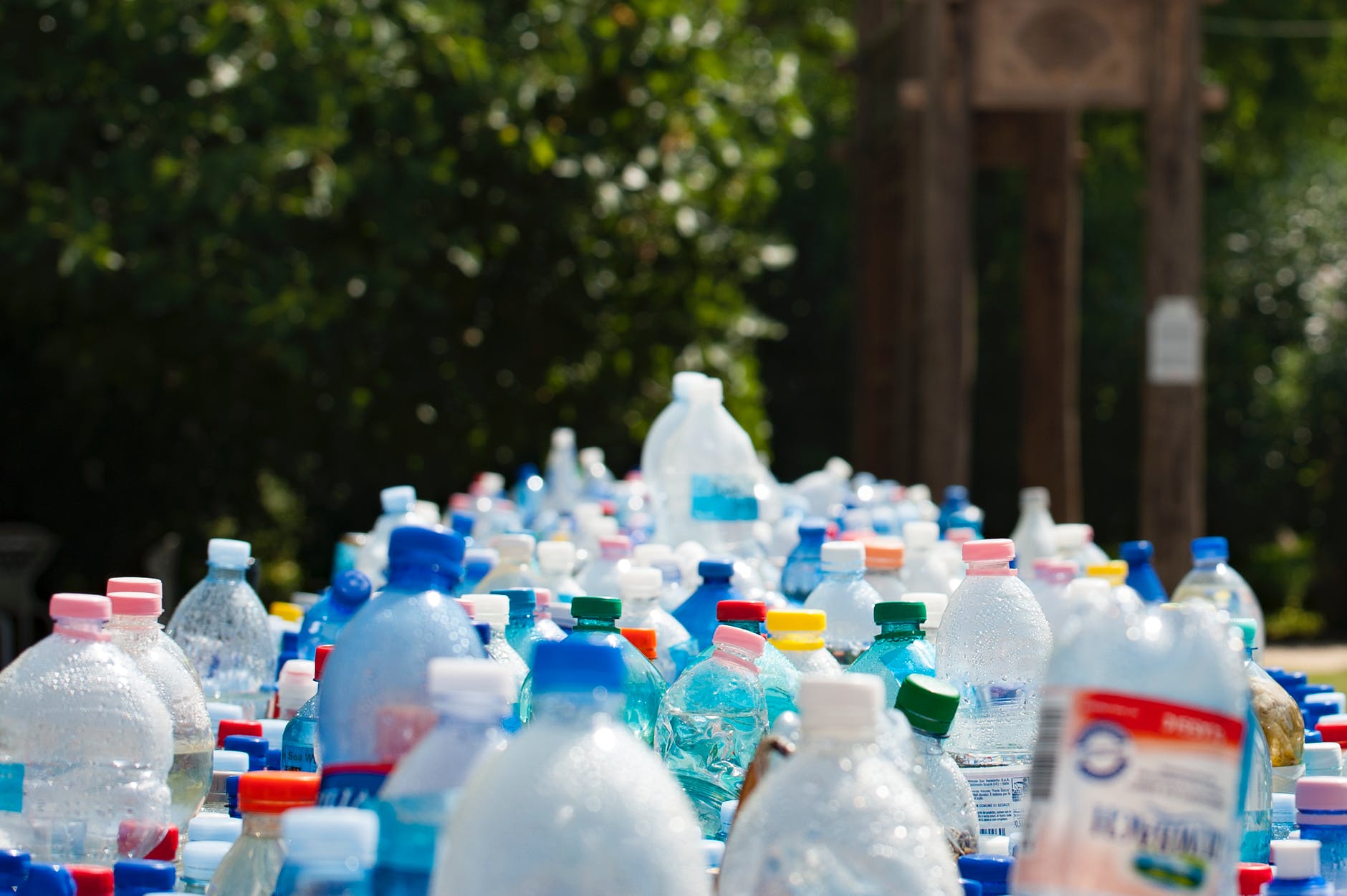
4. Invest in a reusable water bottle

Photo by mali maeder on Pexels.com

Not only are reusable water bottles better for the environment, but they may also be better for you. Plastic can contain harmful chemicals like BPA which can leach into water. Stainless steel and some BPA free reusable plastic water bottles will not contain BPA. A family of four who switch to reusable water bottles would save 27 gallons of oil a year and would be saving fossil fuels.

5. Buy reusable drinking straws

Photo by Polina Tankilevitch on Pexels.com

Ecocycle.org states that “Based on the national average, each person in the US will use approximately 38,000 or more straws between the ages of 5 and 65.” But buying just a few reusable straws to put in the car, bags, or leave at home could drastically decrease the number of straws used in the upcoming years.

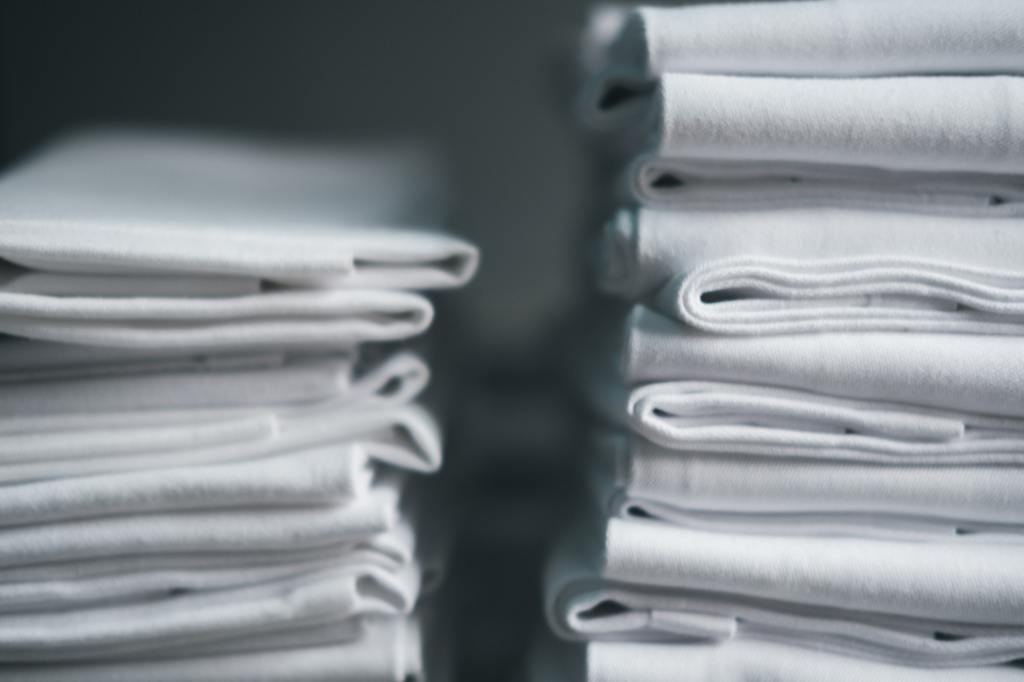
6. Switch to cloth napkins

Swapping disposable items for reusable ones is always a good idea. Even if you run a separate load of laundry for. then napkins and you buy more expensive ones, the outcome is still better in the long run. Even better, you could buy enough washable napkins to make up a whole load or you can just toss them in with a clothing load. Choosing organic cotton material will additionally reduce the environmental impact of napkins.

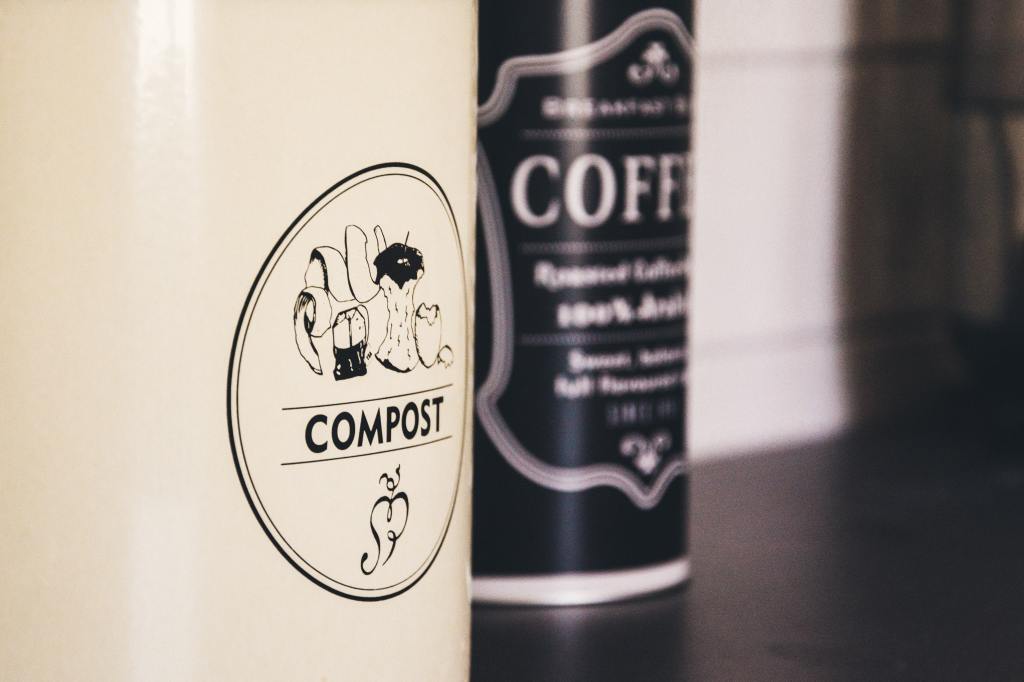
7. Start a compost

Biodegradable sraps that we often throw away can be of much better use when put in a compost bin. A composting pile or pail decreases the amount of trash sent to landfills and also minimizes the output of methane. If you live in a city or do not have the room for a compost pile/bin, there should be compost pick-up or drop-off services near you.

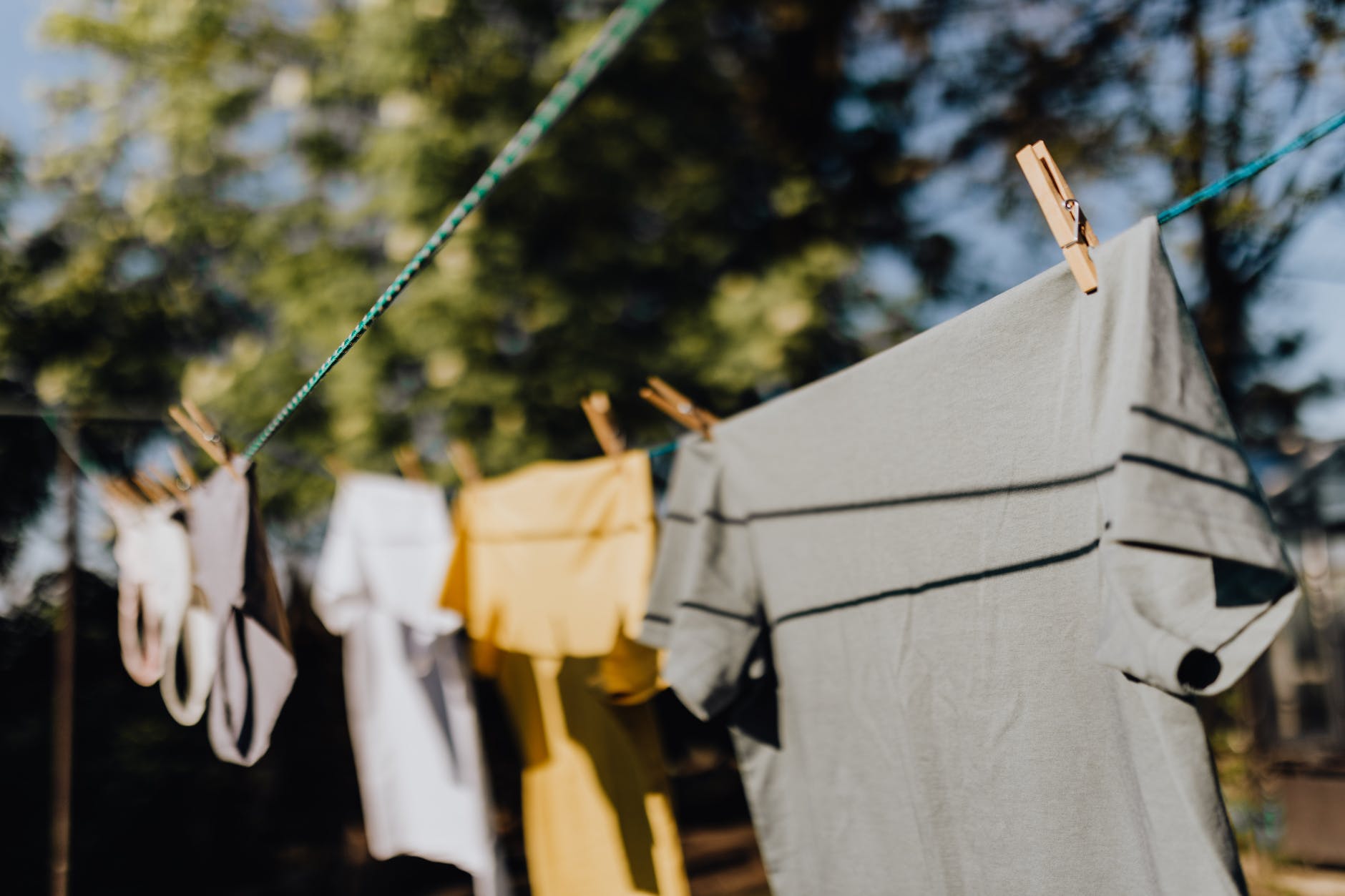
8. When you can, hang dry clothing

Photo by Karolina Grabowska on Pexels.com

Ditch the dryer occasionally. It can be easier to hang clothes outside in the summer time. But for the winter, you may not have enough space to dry all your clothes around your house without having clothing draped on every open wall. So here is what you can do to fix that. Instead of having one specific wash day for a week of clothing, switch to doing a load of laundry a day. Now it won’t take a whole day to wash all your clothes and you will have more room to dry clothes each day. Find one area to designate for hang drying clothes so that a habit can form.

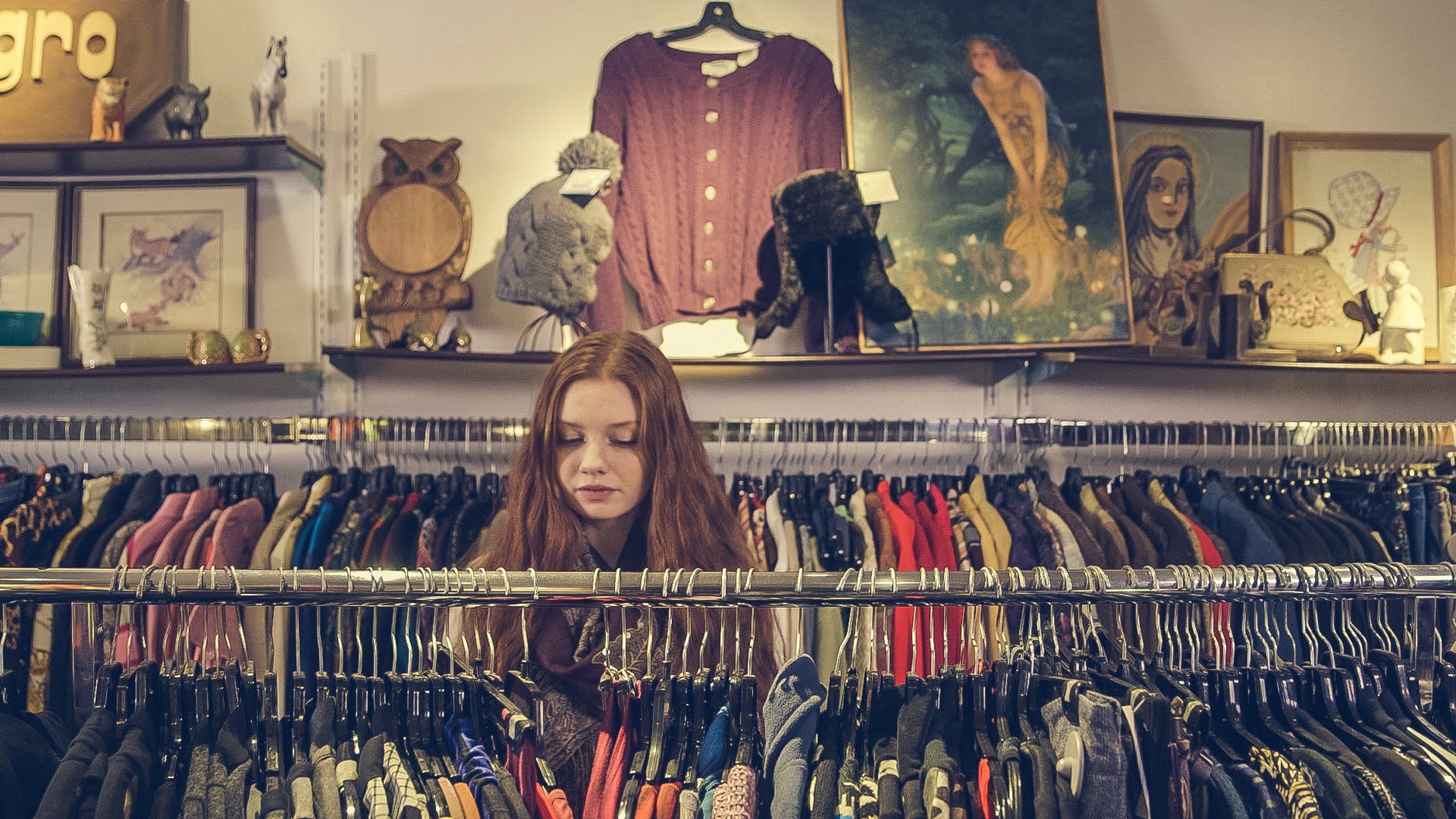
9. Shop smart, research brands, and thrift

Photo by Burst on Pexels.com

Make sure that brands you shop with hold the same values you do. Research where brands clothing comes from and if it is made fairly with sustainable materials. Does the brand donate any percent of the profit to charity? When buying online, does the brand have eco-friendly packaging? If you find it challenging looking for a honest and eco-friendly brand to buy clothing from, thrifting is always a great option. If you have time, it is always a good idea to go through your own closet and see if you can donate anything to a charity or thrift store.

10. Check often for home maintenance repairs

Photo by Laurie Shaw on Pexels.com

Get into the habit of checking fixtures and appliances around your home regularly. A minor repair now can add up in the long run. Cracks or gaps in windows could cause hot or cold air to leek out of your house, raising your bills. Leaking pipes and broken or old fixtures can be costly if not dealt with. For example, LED lightbulbs use 25 percent to 80 percent less energy than regular ones and can last up to 20 times longer. Updating fixtures or appliances can improve the efficiency of your home and decrease the amount of resources it uses from the environment.

When you focus on a habit throughout the year, you can build a routine. I challenge you to find a new habit you can adapt and see if it turns into a routine by the next Earth Day. Many of these ideas may be small, but as you build more eco-friendly habits they can all make a difference. Take the challenge, share it with your friends and family, and see the positive effect it has on you and your environment.